
 ES








Can Respiratory Symptoms Start With Virtual Care?
Use telehealth wisely during cough, fever, and flu.
Respiratory Symptoms Can Start With the Right Care Setting
Cough, fever, congestion, sore throat, fatigue and body aches are common during respiratory illness season. They can occur with influenza, COVID-19, RSV, the common cold and other infections.
Because these illnesses can cause overlapping symptoms, a patient usually cannot identify the cause confidently from symptoms alone. An online search or AI-generated health summary may describe possible conditions, but it cannot examine the patient, establish a diagnosis or determine whether complications are developing.
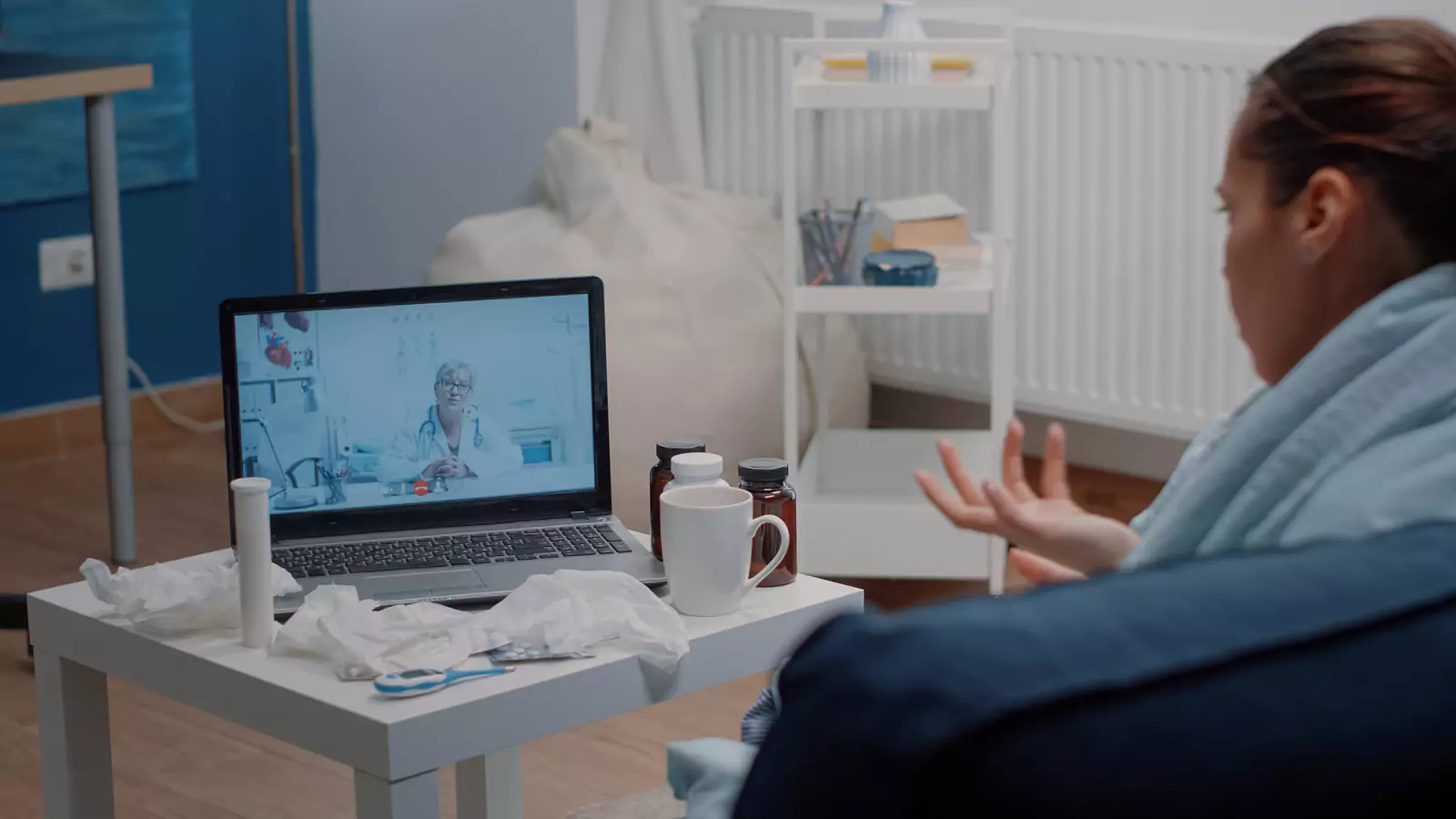
For a stable, non-emergency concern, a VirtualCare2go appointment may provide a practical starting point. A provider can review the symptom timeline, medical history, medicines, risk factors and available home readings, then determine whether virtual management is reasonable or another care setting is needed.
The VirtualCare2go online urgent care page includes cough, fever, flu, sore throat and respiratory concerns among conditions that may be evaluated. Whether telehealth is appropriate for a particular patient still depends on age, severity, medical history and provider assessment.
Why Respiratory Planning Matters This Season
The CDC reported on November 13, 2026, that seasonal influenza activity was increasing in many parts of the United States and was higher than typically observed for that point in the season. The agency also noted that surveillance information is preliminary and can change.
An early increase does not automatically predict how severe the entire flu season will be. It does mean patients and families should have a plan before symptoms appear.
A practical respiratory care plan includes:
- Knowing which symptoms may start with virtual care
- Recognizing emergency warning signs
- Identifying high-risk household members
- Keeping medication lists current
- Knowing where testing is available
- Confirming insurance or self-pay terms
- Having a backup in-person care location
- Seeking treatment promptly when timing matters
Planning does not require assuming every cough is influenza. It means knowing how to obtain appropriate evaluation without unnecessary delay.
When Can Respiratory Symptoms Start With Telehealth?
A virtual visit may be reasonable when the patient is stable, alert, able to communicate and not experiencing emergency warning signs.
Symptoms that may be discussed through telehealth include:
- A new cough
- Nasal congestion
- Runny nose
- Sore throat
- Mild or moderate fever
- Chills
- Headache
- Muscle or body aches
- Fatigue
- Reduced appetite
- Mild nausea or digestive symptoms
- Questions about home care
- Questions about whether testing is needed
This list does not guarantee that a virtual visit will be sufficient. A provider may determine that the patient needs an in-person examination, laboratory test, imaging study or emergency evaluation.
The same symptom can have different meanings in different patients. A cough in a healthy adult with mild symptoms is not the same clinical situation as a cough in an infant, an older adult with heart disease or a pregnant patient with breathing changes.
Which Symptoms Require Emergency Care?
Call 911 or go to the nearest emergency department for severe or potentially life-threatening symptoms.
According to current CDC respiratory-illness guidance, emergency warning signs in adults can include:
- Difficulty breathing or shortness of breath
- Persistent pain or pressure in the chest or abdomen
- Persistent dizziness
- New confusion
- Inability to wake or remain awake
- Seizures
- Not urinating
- Severe muscle pain
- Severe weakness or unsteadiness
- Fever or cough that improves and then returns or worsens
Children can have different warning signs, including fast or difficult breathing, bluish lips or face, ribs pulling inward with breathing, dehydration, reduced alertness, seizures or concerning fever based on age.
Do not wait for a telehealth appointment when emergency warning signs are present. VirtualCare2go’s FAQ states that the service should not be used for a medical emergency.
When in doubt about a rapidly worsening or potentially life-threatening condition, emergency evaluation is the safer route.
Who Should Seek Care Promptly?
Some people have a higher risk of severe respiratory illness. The CDC identifies risk factors that can include older age, very young age, pregnancy, weakened immune systems and certain chronic medical conditions.
Examples can include:
- Chronic lung disease
- Heart disease
- Diabetes
- Chronic kidney disease
- Immune-system conditions
- Pregnancy or recent pregnancy
- Advanced age
- Very young children
- Certain disabilities or complex health needs
A high-risk patient should not necessarily wait several days to see whether symptoms improve. Flu and COVID-19 antiviral treatments work best when started promptly, and eligibility depends on the patient’s diagnosis, risk factors, symptom timing and provider assessment.
During a virtual visit, clearly state risk factors at the beginning rather than waiting for the provider to discover them later.
How Should You Prepare a Respiratory Symptom Timeline?
Write down:
- The date and approximate time symptoms began
- The first symptom noticed
- Whether symptoms appeared suddenly or gradually
- The highest measured temperature
- When the temperature was measured
- Cough frequency and changes
- Breathing changes
- Sore-throat severity
- Hydration and urination
- Appetite and activity level
- Treatments already tried
- Possible recent exposures
- Home-test results
- Whether symptoms improved and then worsened
Use specific descriptions. “The cough began Monday evening and the fever reached 101.2°F Tuesday morning” gives the provider more useful information than “I have been sick for a while.”
For children, include behavior, fluid intake, urination and breathing effort. For older adults, mention new weakness, falls, confusion or changes in daily function.
Which Medicines and Health Details Should You Have Ready?
Prepare a current list of:
- Prescription medicines
- Over-the-counter cold or flu products
- Pain and fever medicines
- Vitamins and supplements
- Recent antibiotics
- Medication allergies
- Important medical conditions
- Recent medical visits
- Previous respiratory treatments
- Preferred pharmacy
Many cold and flu products contain overlapping ingredients. Taking multiple products can unintentionally duplicate a medicine such as acetaminophen.
Show the provider the package labels when product names or ingredients are unclear. Do not exceed label directions or combine medicines based only on online advice.
Tell the provider about pregnancy, breastfeeding, kidney disease, liver disease, high blood pressure, heart conditions or medication interactions that could affect treatment choices.
Can Home Tests Diagnose the Illness?
Home tests may provide useful information, but they have limitations. Timing, specimen collection, test quality and the specific infection can affect results.
A negative result does not always exclude an infection. A positive result does not automatically show how severe the illness is or whether another condition is also present.
VirtualCare2go’s current FAQ states that it does not diagnose, prescribe medication or provide work or school notes based only on home COVID-19, flu or strep test results. The provider may require additional evaluation or testing.
During the appointment, report:
- The type of home test
- When it was performed
- When symptoms began
- The result
- Whether the test was repeated
- Whether collection instructions were followed
Do not edit or reuse an old test image. Accurate information is essential to safe care.
What Can a Provider Evaluate Through Video?
A provider may be able to observe:
- General appearance
- Alertness
- Ability to speak
- Visible breathing effort
- Cough pattern during the visit
- Selected visible throat or skin findings
- Hydration concerns
- Relevant home readings
The provider may ask the patient to reposition the camera, take a temperature, demonstrate breathing or describe chest discomfort.
A video visit cannot reproduce every part of an in-person examination. The provider may be unable to listen to the lungs, obtain a reliable oxygen measurement, examine the ears or throat adequately, or perform testing.
When those limitations affect safety, the provider may recommend in-person care.
Will a Virtual Visit Lead to Medication?
Medication may be prescribed when the provider determines that it is medically appropriate. A prescription is not guaranteed.
Antibiotics treat certain bacterial infections; they do not treat influenza, COVID-19, RSV or the common cold. Requesting antibiotics does not mean they are appropriate.
Antiviral treatment may be considered for some patients with influenza or COVID-19. The decision can depend on symptom timing, test results, age, risk factors, kidney function, pregnancy, medication interactions and current clinical recommendations.
Ask:
- What is the medicine intended to treat?
- How should it be taken?
- What side effects matter?
- Could it interact with current medicines?
- Is testing required?
- What should happen if symptoms do not improve?
- When should the patient seek in-person care?
Confirm the pharmacy before ending the appointment.
How Can You Reduce Spread at Home?
Current CDC guidance advises people with respiratory illness to stay home and away from others until symptoms are improving overall and they have been fever-free without fever-reducing medication for at least 24 hours. After returning to normal activities, additional precautions are recommended for the next five days.
Practical precautions can include:
- Improving ventilation
- Using cleaner indoor air
- Washing hands
- Cleaning frequently touched surfaces
- Wearing a well-fitting mask when appropriate
- Creating distance from vulnerable household members
- Avoiding shared cups and utensils
- Monitoring for worsening symptoms
Follow current guidance because public-health recommendations may change.
Telehealth can reduce the need to enter a shared waiting area, but it does not eliminate household transmission or replace appropriate testing and treatment.
Finish With a Time-Based Follow-Up Plan
Before disconnecting, confirm:
- The working assessment
- What remains uncertain
- Medication instructions
- Supportive home care
- Whether testing is needed
- Who will review results
- When improvement should begin
- Which symptoms require urgent reassessment
- Which warning signs require emergency care
- When primary care follow-up should occur
Use teach-back by repeating the plan in your own words.
If the provider says to monitor symptoms, ask which symptoms, how often and for how long. “Watch and wait” should include clear thresholds for taking action.
For stable, non-emergency respiratory symptoms, review VirtualCare2go online urgent care, prepare a symptom timeline and schedule a virtual evaluation when appropriate. Confirm insurance benefits or current self-pay terms before a non-emergency appointment, and keep an in-person backup plan if testing or hands-on examination is required.
Medical disclaimer: This article is educational and does not provide a diagnosis or replace individualized professional medical care. Respiratory symptoms can become serious, and testing, medication, scheduling and care-setting recommendations depend on age, history, symptom severity, medical requirements and provider assessment. For an emergency, call 911 or go to the nearest emergency department.