
 ES
ES








Why Am I Constipated All of a Sudden?
Understanding Sudden Changes in Your Bowel Movements
Your digestive routine has always been fairly predictable. Then suddenly, things change.
Maybe you haven't had a bowel movement in several days. Perhaps you're still going, but your stool has become hard and difficult to pass. You might feel bloated, uncomfortable, or like you still need to go even after you've used the bathroom.
When constipation seems to appear out of nowhere, it's natural to wonder what's causing it.
Constipation doesn't simply mean that you haven't had a bowel movement today.
People have different normal bowel habits. Some people have bowel movements more than once a day, while others naturally go less often.
Instead, constipation generally involves a change from your normal pattern, particularly when bowel movements become difficult, uncomfortable, or less frequent than usual.
You may experience:
- Hard or dry stools
- Straining
- Fewer bowel movements than usual
- Difficulty passing stool
- A feeling that you haven't completely emptied your bowels
- Abdominal fullness
- Bloating
- Mild cramping
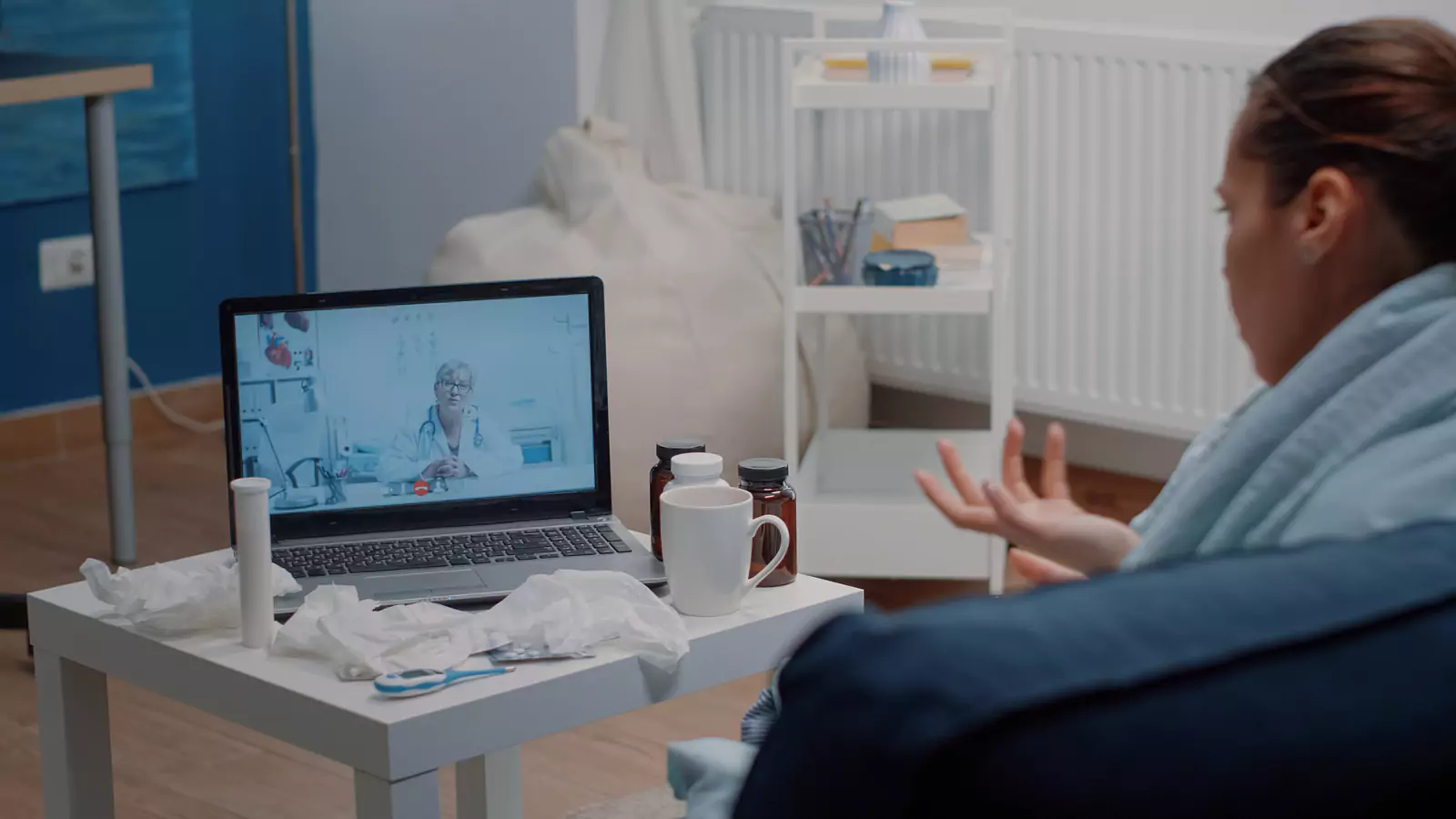
Constipation is specifically included among the conditions VirtualCare2Go evaluates and treats through its urgent-care services. The service also covers broader gastrointestinal issues, nausea, vomiting, GERD, and other non-life-threatening conditions.
For appropriate non-emergency symptoms, a virtual visit can help review what changed, possible contributing factors, medications, other digestive symptoms, and what treatment may be appropriate.
Severe abdominal pain, repeated vomiting, a severely swollen or rigid abdomen, inability to pass stool or gas with worsening symptoms, significant rectal bleeding, black stools, fainting, or severe illness should not wait for a routine virtual appointment.
What Counts as Constipation?
Constipation isn't defined only by how many days pass between bowel movements.
You might still have bowel movements and be constipated if they have become:
- Hard
- Dry
- Difficult to pass
- Painful
- Incomplete
You may also find yourself sitting on the toilet for much longer than usual or straining significantly.
The most useful question is often:
What's normal for you, and how has that changed?
Tell your provider about your usual bowel pattern as well as what you're experiencing now.
Why Can Constipation Suddenly Happen?
Your digestive system can be affected by surprisingly small changes in everyday life.
Constipation may occur after changes involving:
- Food
- Fluid intake
- Physical activity
- Daily routine
- Travel
- Medications
- Supplements
- Stress
- Bathroom habits
Sometimes more than one factor contributes at the same time.
For example, imagine taking a long road trip.
You sit for hours, drink less because you don't want frequent bathroom stops, eat more fast food than usual, and ignore the urge to use the restroom because you're on the highway.
By the end of the trip, your digestive system may be behaving very differently.
Could I Need More Fiber?
Fiber helps support healthy bowel movements.
Foods containing fiber include:
- Fruits
- Vegetables
- Beans
- Lentils
- Whole grains
- Nuts and seeds
If your diet suddenly becomes lower in fiber, your bowel habits may change.
For example, traveling or eating more highly processed foods than usual may temporarily reduce your usual fiber intake.
However, simply adding a huge amount of fiber overnight isn't always the answer.
Rapidly increasing fiber can sometimes worsen:
- Gas
- Bloating
- Abdominal discomfort
Dietary changes are often better made gradually.
Could I Be Dehydrated?
Fluid helps support normal stool consistency.
If you're drinking significantly less than usual, stool may become harder and more difficult to pass.
You might also notice:
- Thirst
- Dry mouth
- Darker urine
- Headache
- Dizziness
Hot Texas weather, exercise, illness, and heavy sweating can all affect fluid needs.
But constipation doesn't automatically mean you're dehydrated.
Persistent symptoms can have other causes, so drinking excessive amounts of water isn't a guaranteed solution.
Can Sitting Too Much Cause Constipation?
Physical activity helps support normal digestive function.
A change from an active routine to prolonged inactivity may contribute to bowel changes in some people.
This might happen during:
- Desk work
- Travel
- Recovery from illness
- Extended bed rest
- Long periods of sedentary activity
If you're able to exercise safely, regular movement can be part of an overall healthy routine.
But new severe constipation shouldn't simply be blamed on inactivity without considering other symptoms.
Can Travel Make You Constipated?
Absolutely.
Travel can disrupt almost everything your digestive system is accustomed to.
You may:
- Eat different foods
- Drink less
- Sit for long periods
- Sleep at different times
- Delay bathroom trips
- Experience stress
- Cross time zones
Some people find it difficult to have a bowel movement anywhere except home.
If your constipation began during or immediately after a trip, tell your provider.
Are You Ignoring the Urge to Go?
Sometimes life gets in the way.
You're in a meeting.
You're driving.
You're at school.
You're using a public restroom you'd rather avoid.
So you ignore the urge.
Repeatedly delaying bowel movements may contribute to constipation in some people.
When possible, give yourself adequate time and privacy to use the restroom when your body signals that it needs to go.
Could My Medication Be Causing Constipation?
Yes.
Some medications and supplements can contribute to constipation.
That's why medication review is an important part of evaluating new bowel changes.
Tell your provider if symptoms began after:
- Starting a new prescription
- Increasing a medication dose
- Taking a new over-the-counter product
- Beginning a vitamin or supplement
Provide a complete medication list rather than only the medicines you think are relevant.
Don't stop prescribed medication on your own because you're constipated.
A healthcare provider can determine whether medication effects may be contributing and what changes, if any, are appropriate.
What About Pain Medication?
Certain pain medications are particularly well known for affecting bowel movements.
If you're taking medication for:
- An injury
- Surgery
- Dental treatment
- Chronic pain
and constipation began shortly afterward, mention that connection to your healthcare provider.
Depending on the medication and your medical history, your provider may recommend a specific strategy for managing constipation.
Could Supplements Be Causing It?
Possibly.
Some vitamins and mineral supplements may affect digestion.
That's another reason to include supplements when discussing your medications with a provider.
Don't assume that something is harmless simply because it's sold without a prescription.
Tell your provider:
- What you're taking
- How much
- How frequently
- When you started it
Can Stress Affect Bowel Movements?
The brain and digestive system communicate closely.
During stressful periods, some people develop:
- Diarrhea
- Constipation
- Abdominal discomfort
- Nausea
- Appetite changes
You may notice bowel changes during:
- Work deadlines
- Travel
- Family stress
- Major life changes
- Changes in sleep
Stress may contribute, but persistent constipation shouldn't automatically be dismissed as “just stress.”
Can Constipation Cause Bloating?
Yes.
Constipation and bloating often occur together.
You may feel:
- Full
- Tight
- Gassy
- Uncomfortable
- More swollen around the abdomen
You may also notice that your appetite decreases because your abdomen already feels full.
Mild bloating can occur with constipation, but severe or rapidly increasing abdominal distention, especially with pain and vomiting, requires more urgent evaluation.
Can Constipation Cause Stomach Cramps?
Mild abdominal cramping can accompany constipation.
The discomfort may come and go and sometimes improve after passing stool or gas.
However, severe, persistent, or worsening abdominal pain shouldn't automatically be assumed to be constipation.
Many abdominal conditions can cause pain.
The severity and pattern matter.
What About Rectal Pain?
Hard stools and significant straining may irritate the rectal area.
Some people develop discomfort during bowel movements.
Small amounts of bright red blood can sometimes occur with conditions such as hemorrhoids or small tears near the anus, but rectal bleeding shouldn't automatically be assumed to be harmless.
Tell your healthcare provider about any bleeding.
Seek more urgent care for:
- Heavy bleeding
- Repeated bleeding
- Black or tar-like stools
- Dizziness
- Fainting
- Severe weakness
Should I Just Take a Laxative?
There are several different categories of constipation medications, and they don't all work the same way.
Which option is appropriate can depend on:
- Your symptoms
- How long constipation has lasted
- Other medications
- Medical conditions
- Age
- Pregnancy status
- Whether you have abdominal pain or vomiting
Using more medication isn't necessarily better.
Overusing certain laxatives can cause problems such as:
- Diarrhea
- Dehydration
- Electrolyte disturbances
- Abdominal cramping
A healthcare provider or pharmacist can help you choose an appropriate option.
Don't Combine Multiple Constipation Products Without Guidance
When someone hasn't had a bowel movement for several days, it can be tempting to try everything at once.
For example:
“Fiber didn't work, so I'll take a stool softener, stimulant laxative, magnesium product, and something else tonight.”
That isn't always safe or necessary.
Combining products can produce significant diarrhea, cramping, dehydration, or electrolyte problems.
If you're unsure what to use, get medical guidance instead of stacking multiple treatments.
What Can You Do for Mild Constipation?
The appropriate approach depends on the cause and your health history.
For uncomplicated constipation without warning signs, general strategies may include:
- Drinking an appropriate amount of fluid
- Gradually increasing dietary fiber when appropriate
- Staying physically active
- Responding to the urge to have a bowel movement
- Giving yourself enough time in the bathroom
- Reviewing medications that may contribute
- Following your healthcare provider's treatment recommendations
Not every strategy is appropriate for every patient.
For example, people with certain digestive, kidney, or heart conditions may have individualized dietary or fluid recommendations.
Keep a Bowel-Symptom Diary
You don't need to document every bathroom visit forever.
But if constipation keeps returning, tracking symptoms for several days can be useful.
Record:
- When you have a bowel movement
- Stool consistency
- Straining
- Abdominal pain
- Bloating
- Nausea
- Vomiting
- Fluid intake
- Major dietary changes
- Medications
- Supplements
- Physical activity
- Recent travel
- Blood in the stool
This information can help your provider identify patterns.
Pay Attention to Stool Changes
Your provider may ask what your stool looks like.
You don't need to be embarrassed.
Bowel habits are an ordinary part of medical care.
Useful details include whether stool is:
- Hard
- Pellet-like
- Very large
- Unusually narrow
- Black
- Bloody
- Different from your usual pattern
Persistent unexplained changes deserve evaluation.
When Can VirtualCare2Go Help?
Constipation is specifically included in VirtualCare2Go's listed urgent-care services, and its clinicians provide virtual care for non-life-threatening conditions throughout Texas.
Consider scheduling a virtual visit if:
- You're newly constipated.
- Your stools have become hard or difficult to pass.
- Constipation keeps returning.
- You're experiencing mild bloating or cramping.
- Symptoms began after a medication change.
- Travel or routine changes may have contributed.
- You're unsure which constipation treatment is appropriate.
- Your usual home measures aren't helping.
- You want to know whether additional testing or in-person evaluation may be necessary.
During the visit, your provider may ask about:
- Your normal bowel pattern
- When symptoms began
- Your last bowel movement
- Stool consistency
- Abdominal pain
- Bloating
- Nausea or vomiting
- Whether you're passing gas
- Blood in the stool
- Diet
- Fluid intake
- Medications
- Supplements
- Recent travel
- Pregnancy possibility
- Previous digestive problems
Based on the evaluation, treatment may be recommended when medically appropriate, or you may be directed to in-person care if your symptoms require examination or testing.
When Might Testing Be Needed?
Many short episodes of uncomplicated constipation don't require extensive testing.
However, additional evaluation may be appropriate when constipation is:
- Persistent
- Recurrent
- Severe
- A major change from your normal pattern
- Accompanied by other concerning symptoms
Depending on your situation, a healthcare provider may recommend:
- Blood tests
- Imaging
- Gastrointestinal evaluation
- Other diagnostic testing
The appropriate workup depends on your individual symptoms and medical history.
When Should You Seek Prompt In-Person Care?
Seek prompt medical evaluation if constipation occurs with:
- Persistent or worsening abdominal pain
- Significant abdominal swelling
- Repeated vomiting
- Inability to pass gas
- Persistent rectal bleeding
- Unexplained weight loss
- Fever
- Significant weakness
- A major unexplained change in bowel habits
- Symptoms that continue despite appropriate treatment
These symptoms may require a physical examination or diagnostic testing.
When Is Constipation an Emergency?
Constipation itself is often not an emergency.
But certain symptoms occurring with it can indicate a potentially serious problem.
Seek urgent or emergency medical care for:
- Severe or rapidly worsening abdominal pain
- A severely swollen or rigid abdomen
- Repeated vomiting with worsening abdominal symptoms
- Inability to pass stool or gas with severe pain or distention
- Vomiting blood
- Significant rectal bleeding
- Black, tar-like stools with weakness or illness
- Fainting or loss of consciousness
- Severe confusion
- Any other life-threatening symptom
Don't wait for a routine telehealth appointment when serious warning signs are present.
Frequently Asked Questions
Why am I suddenly constipated?
Sudden constipation may follow changes in diet, hydration, activity, travel, routine, medications, supplements, stress, or other health conditions.
How many days without a bowel movement is constipation?
There isn't one number that applies to everyone. Your usual bowel pattern, stool consistency, difficulty passing stool, and associated symptoms all matter.
Can dehydration cause constipation?
Inadequate fluid intake may contribute to harder stools in some people, but constipation can have many causes.
Can stress make you constipated?
Yes. Stress can affect digestive function and bowel habits in some people.
Can medications cause constipation?
Yes. Certain prescription medications, over-the-counter products, and supplements may contribute. Don't stop prescribed medication without medical guidance.
Can constipation cause bloating?
Yes. Constipation may occur with abdominal fullness, gas, and bloating.
Should I take a laxative?
A laxative may be appropriate in some situations, but the best option depends on your symptoms, medical history, and medications. Avoid combining multiple constipation products without guidance.
Does VirtualCare2Go treat constipation?
Yes. VirtualCare2Go specifically lists constipation among the conditions its clinicians evaluate and treat through urgent-care services.
Can I use VirtualCare2Go anywhere in Texas?
VirtualCare2Go states that its telehealth services are available statewide in Texas.
Convenient Virtual Care Throughout Texas
Constipation can be uncomfortable, frustrating, and sometimes surprisingly disruptive.
When your normal bathroom routine suddenly changes, don't focus only on how many days have passed.
Think about the entire picture:
Did your diet change?
Have you been traveling?
Are you drinking less?
Did you start a new medication?
Are you bloated or nauseated?
Are you still passing gas?
Those details can help determine whether you're experiencing uncomplicated constipation or whether something else needs to be investigated.
VirtualCare2Go provides on-demand virtual medical visits with licensed clinicians across Texas and specifically includes constipation among its urgent-care services.
Schedule Your Virtual Visit
If constipation is making you uncomfortable, keeps returning, or isn't improving—and you aren't experiencing urgent or emergency warning signs—VirtualCare2Go can help evaluate your symptoms and determine an appropriate next step. Book your virtual visit today: https://www.virtualcare2go.com/