
 ES
ES








Why Are My Eyes Red and Crusty?
Understanding Pink Eye and Eye Discharge
You wake up, open your eyes, and immediately realize something feels different. One eye is red. Your eyelid feels sticky.
Maybe there's dried discharge around your eyelashes, or your eye keeps watering even after you clean it.
Then comes the question: Is this pink eye?
Pink eye, also called conjunctivitis, refers to inflammation of the conjunctiva—the thin tissue covering part of the eye and the inside of the eyelid.
It can cause symptoms such as:
- Eye redness
- Watery eyes
- Itching
- Burning or irritation
- Discharge
- Crusting around the eyelashes
- A gritty sensation
- Eyelid swelling
But not every red or crusty eye has the same cause.
Pink-eye symptoms may be associated with viral infections, bacterial infections, allergies, irritation, or other eye conditions.
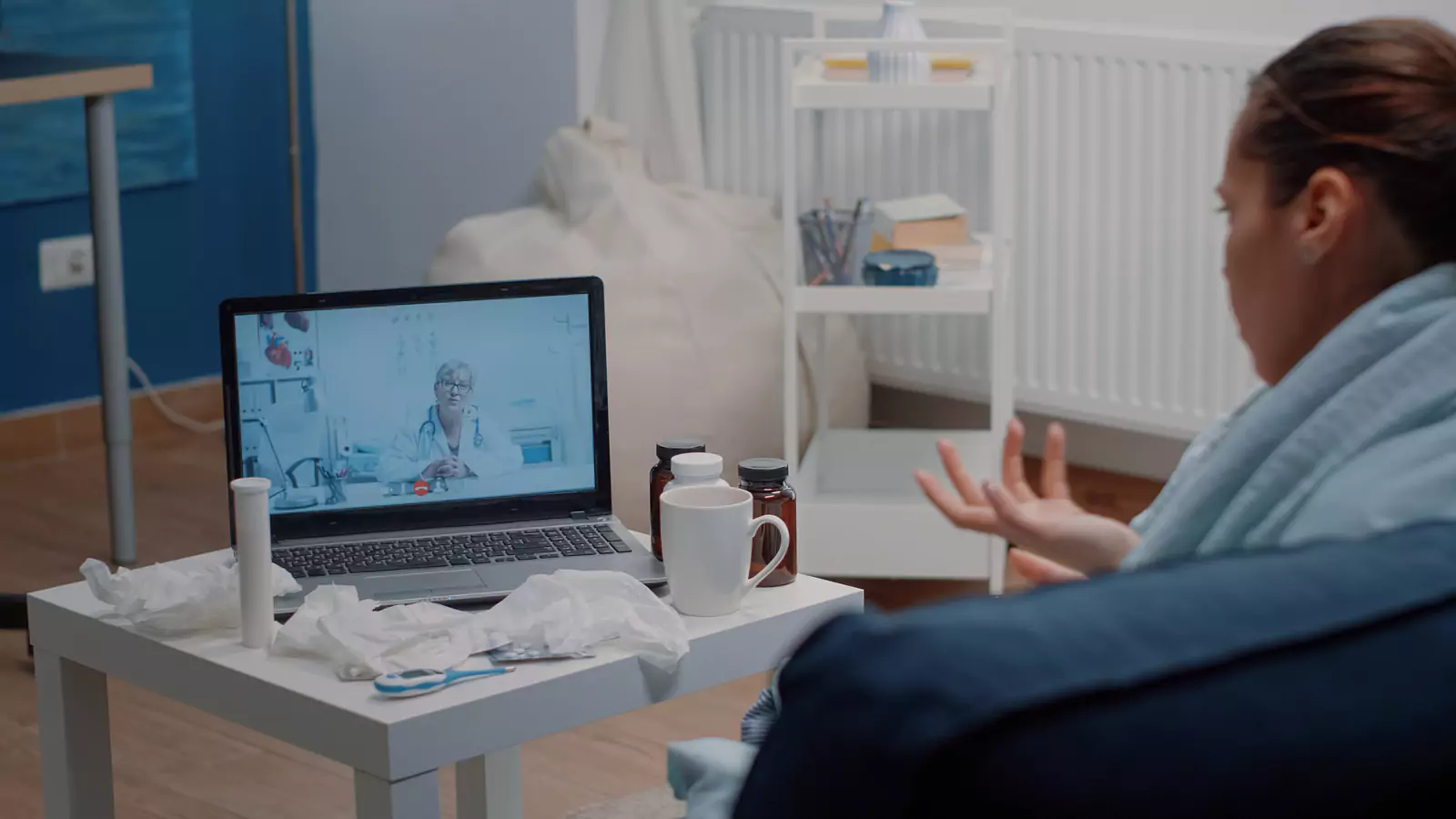
VirtualCare2Go specifically includes pink eye among the conditions it treats. For appropriate non-emergency symptoms, a licensed provider can review what you're experiencing and help determine whether treatment or additional evaluation is appropriate.
However, significant eye pain, vision changes, severe light sensitivity, eye injuries, or chemical exposure should not simply be assumed to be routine pink eye.
Why Is My Eye Crusty When I Wake Up?
Eye discharge can dry along the eyelashes while you're sleeping.
Depending on the cause, you may wake with:
- Mild crusting
- Sticky eyelashes
- Watery discharge
- Thicker discharge
- Eyelids that temporarily stick together
The amount and type of discharge can provide useful information, but it isn't enough by itself to determine the exact cause.
Tell your provider whether the discharge is:
- Clear and watery
- White
- Yellowish
- Greenish
- Thick or sticky
Also mention whether it continues throughout the day or mainly appears after sleeping.
Is It Pink Eye or Just Irritation?
A red eye doesn't automatically mean conjunctivitis.
Temporary irritation can occur after exposure to:
- Smoke
- Dust
- Wind
- Strong fragrances
- Cosmetics
- Chlorinated water
- Other environmental irritants
Think about what happened before your symptoms began.
Did you spend the afternoon swimming?
Were you outside on a windy day?
Did you try new eye makeup?
Were you around smoke or another irritant?
Those details may help your provider understand what's going on.
Viral vs. Bacterial Pink Eye
You may have heard people describe pink eye as either “viral” or “bacterial.”
Both are possible.
Viral conjunctivitis can occur alongside respiratory illnesses and may cause redness and watery discharge.
Bacterial conjunctivitis may cause more noticeable discharge or crusting.
But symptoms can overlap.
You usually can't reliably determine the cause simply by looking in the mirror.
And that distinction matters because antibiotics don't treat viral infections.
A healthcare provider can determine whether medication is appropriate based on your symptoms and medical history.
Could My Cold Be Causing Pink Eye?
Sometimes conjunctivitis occurs around the same time as a viral respiratory illness.
You may also have:
- Cough
- Sore throat
- Runny nose
- Congestion
- Fever
If your red eye developed during or shortly after an illness, mention that during your appointment.
VirtualCare2Go also treats several common non-emergency respiratory concerns, so your provider can look at the overall symptom pattern rather than treating the eye as an isolated problem.
Could It Be Allergies?
Yes.
Allergies can cause eye symptoms such as:
- Itching
- Redness
- Watering
- Puffiness
- Irritation
Allergy-related symptoms often affect both eyes, although symptoms aren't always perfectly equal.
You may also notice:
- Sneezing
- Runny nose
- Nasal congestion
- Itchy nose
VirtualCare2Go specifically treats allergies as well as pink eye.
Tell your provider if your eye symptoms tend to appear during certain seasons or after particular environmental exposures.
Why Is Only One Eye Red?
Pink eye can begin in one eye.
Depending on the cause, symptoms may remain on one side or later involve the other eye.
Avoid touching the affected eye and then rubbing the other one.
If you need to clean discharge, wash your hands before and afterward.
One-sided redness can also occur with other eye problems, so persistent or significant symptoms deserve evaluation.
Can Pink Eye Spread to My Other Eye?
It can.
If the cause is infectious, touching discharge from one eye and then touching the other may spread germs.
Good hand hygiene is particularly important.
Try to avoid:
- Rubbing your eyes
- Touching both eyes without washing your hands
- Sharing towels
- Sharing washcloths
- Sharing eye makeup
- Sharing products that touch the eye area
Keeping your hands away from irritated eyes can be difficult, especially when they itch, but it can help reduce unnecessary spread.
Is Pink Eye Contagious?
Some types can be.
Viral and bacterial conjunctivitis may spread from person to person.
Allergic conjunctivitis, on the other hand, isn't contagious.
Because you may not immediately know which type you have, good hygiene is a sensible precaution when infectious pink eye is possible.
Wash your hands frequently and avoid sharing personal items that contact your face or eyes.
Should I Keep Washing the Discharge Away?
You can gently clean dried discharge from around the eye using clean materials and appropriate hygiene.
Avoid aggressive rubbing.
Wash your hands before and after touching the area.
If cleaning both eyes, avoid using the same contaminated material from the affected eye on the unaffected eye.
Can I Wear Contact Lenses With a Red Eye?
If your eye becomes red, painful, irritated, or develops discharge while you're wearing contact lenses, remove the lenses.
Contact-lens wearers can develop eye infections that may require prompt in-person evaluation.
Do not continue putting the same lenses back into an irritated eye.
Tell your healthcare provider:
- That you wear contacts
- When you last wore them
- Whether you slept in them
- Whether you have eye pain
- Whether your vision has changed
- Whether light bothers your eye
A red eye in a contact-lens wearer deserves extra caution.
Can I Wear Eye Makeup?
It's generally best to avoid putting eye makeup directly around an actively irritated or infected eye.
Products such as:
- Mascara
- Eyeliner
- Eye shadow
may become contaminated.
Never share eye makeup with someone else.
Ask your healthcare provider whether products used during an infectious episode should be replaced.
Should I Use Someone Else's Eye Drops?
No.
Don't use another person's prescription eye medication.
Different eye conditions can look similar but require very different treatment.
Using the wrong medication may:
- Fail to treat the problem
- Irritate the eye
- Delay proper diagnosis
- Potentially worsen certain conditions
Prescription eye medication should be used only as directed for the person it was prescribed to.
What About Leftover Antibiotic Eye Drops?
Don't automatically use old antibiotic drops from a previous eye problem.
Your current symptoms may have a different cause.
The medication may also be:
- Expired
- Contaminated
- Inappropriate for the condition
- Unnecessary
A healthcare provider can determine whether antibiotic treatment is actually indicated.
Does Every Case of Pink Eye Need Antibiotics?
No.
Antibiotics only treat bacterial infections.
They don't treat viral or allergy-related conjunctivitis.
That means receiving antibiotic drops isn't automatically the correct treatment for every red eye.
Treatment depends on the likely cause and your individual symptoms.
Could a Cool Compress Help?
For some mild eye irritation, a clean cool compress may feel soothing.
Use clean material and avoid sharing it with other people.
If both eyes are affected, be careful about transferring discharge from one eye to the other.
Comfort measures don't replace medical evaluation when symptoms are severe or unusual.
Why Does My Eye Feel Gritty?
Conjunctivitis and other eye irritation can sometimes create a sensation that something is in your eye.
People may describe it as:
- Sandy
- Gritty
- Scratchy
However, significant foreign-body sensation after something actually entered the eye is different.
If you were grinding metal, working with wood, doing construction, or experienced another situation where material may have entered the eye, you may need an in-person eye examination.
What If Something Actually Got in My Eye?
A foreign object or eye injury isn't the same as routine pink eye.
Seek appropriate in-person evaluation if:
- Something struck the eye.
- Metal, glass, wood, or debris may be embedded.
- You have significant pain.
- Your vision changed.
- You cannot comfortably open the eye.
Don't attempt to remove an object that appears embedded in the eye yourself.
What If a Chemical Got in My Eye?
Chemical exposure requires immediate action.
Begin flushing the affected eye with plenty of clean water as appropriate and seek urgent medical guidance.
Serious chemical exposures may require emergency evaluation.
Don't wait for a routine virtual appointment when a potentially harmful chemical has entered the eye.
Can Pink Eye Affect My Vision?
Routine conjunctivitis may cause temporary blurriness when tears or discharge coat the eye.
But persistent or significant vision changes are not something to ignore.
Seek prompt in-person eye care if you develop:
- New significant blurred vision
- Loss of vision
- A dark area in your vision
- Other major visual changes
Vision symptoms can indicate conditions other than uncomplicated conjunctivitis.
Is Eye Pain Normal With Pink Eye?
Mild burning, irritation, or discomfort may occur.
Significant eye pain is different.
A very painful red eye deserves prompt evaluation, especially if it occurs with:
- Vision changes
- Severe light sensitivity
- Headache
- Nausea or vomiting
- Contact-lens use
- Eye injury
Don't assume severe pain is simply “bad pink eye.”
What Is Light Sensitivity?
Light sensitivity, also called photophobia, means light feels unusually uncomfortable or painful to your eyes.
Mild irritation may make bright environments unpleasant.
But significant or new photophobia with a red, painful eye may require an in-person eye examination.
Mention it specifically to your provider.
Can Kids Get Pink Eye?
Yes.
Pink eye is common in children.
Children may:
- Rub their eyes frequently
- Wake with crusted eyelashes
- Have difficulty describing irritation
- Spread germs through frequent hand-to-face contact
Encourage regular handwashing and discourage sharing:
- Towels
- Pillows
- Washcloths
- Personal face products
If your child's symptoms are significant or you're unsure what's causing the redness, seek medical evaluation.
Does Pink Eye Mean My Child Has to Stay Home?
School and childcare policies may vary.
Whether a child should stay home can depend on:
- Symptoms
- Fever
- Ability to participate normally
- Suspected cause
- Facility policy
- Healthcare guidance
Don't assume that every red eye automatically requires the exact same exclusion period.
Check the school's current policy and follow your healthcare provider's recommendations.
Can Adults Spread Pink Eye at Work?
Potentially, if the conjunctivitis is infectious.
If you have significant eye discharge, wash your hands frequently and avoid touching shared surfaces immediately after rubbing your eyes.
Avoid sharing:
- Towels
- Cosmetics
- Personal face products
Your provider can offer guidance based on the suspected cause and your workplace situation.
Take a Clear Photo Before Your Appointment
Eye symptoms can change throughout the day.
A photo may help document:
- Redness
- Eyelid swelling
- Crusting
- Visible discharge
Use good lighting and avoid filters.
During your virtual appointment, your provider may also ask you to position the camera so the affected eye can be viewed more clearly.
Keep Track of Your Symptoms
Before your appointment, think about:
- Which eye started first
- When symptoms began
- Whether both eyes are affected
- Discharge color
- Itching
- Pain
- Light sensitivity
- Vision changes
- Recent respiratory illness
- Allergy symptoms
- Contact-lens use
- Eye injury
- New cosmetics
- Exposure to someone with similar symptoms
Those details can help distinguish uncomplicated conjunctivitis from other eye problems.
When Can VirtualCare2Go Help?
Because pink eye is specifically included in VirtualCare2Go's treatment scope, telehealth can be a convenient starting point for many non-emergency cases.
Consider scheduling a virtual visit if:
- Your eye is red and irritated.
- You wake with crusting around your eyelashes.
- You have eye discharge.
- Your eye feels itchy or watery.
- You think you may have pink eye.
- Someone around you recently had conjunctivitis.
- You're unsure whether allergies could be causing the redness.
- You need guidance about appropriate treatment.
During your appointment, your provider may ask about:
- When symptoms began
- One eye or both
- Discharge
- Crusting
- Itching
- Pain
- Vision
- Light sensitivity
- Contact lenses
- Recent illness
- Allergies
- Injury
- Chemical exposure
- Medications
Based on your evaluation, your provider can determine whether treatment is medically appropriate or whether an in-person eye examination is needed.
When Might You Need In-Person Eye Care?
Not every red eye can be safely evaluated through telehealth alone.
In-person evaluation may be recommended for:
- Significant eye pain
- Vision changes
- Severe light sensitivity
- Contact-lens-related concerns
- Suspected eye injury
- Possible foreign object
- Significant eyelid swelling
- Symptoms that aren't improving
- An unclear diagnosis
Eye problems can sometimes look similar on the surface while involving very different structures.
When an examination is necessary, don't delay it.
When Should You Seek Prompt Medical Care?
Seek prompt in-person evaluation for:
- Significant or worsening eye pain
- New vision changes
- Severe light sensitivity
- A very swollen eye or eyelid
- Symptoms following an eye injury
- Significant symptoms in a contact-lens wearer
- A possible foreign object
- Symptoms that continue worsening despite treatment
- Significant eye symptoms in someone with important immune-system concerns
These symptoms may indicate something other than uncomplicated conjunctivitis.
When Is an Eye Problem an Emergency?
Seek emergency medical attention for:
- Severe eye trauma
- Serious chemical exposure
- Sudden major vision loss
- An object embedded in the eye
- Severe eye symptoms after a significant injury
- Eye symptoms accompanied by severe neurological symptoms
- Any other potentially vision-threatening or life-threatening emergency
Routine telehealth should never delay emergency eye care.
Frequently Asked Questions
Why is my eye red and crusty?
Possible causes include viral or bacterial conjunctivitis, allergies, irritation, and other eye conditions. Discharge can dry around the eyelashes and cause crusting after sleep.
Does crusty discharge mean bacterial pink eye?
Not necessarily. Discharge characteristics can provide clues, but they don't reliably diagnose the cause by themselves.
Is pink eye contagious?
Viral and bacterial conjunctivitis can be contagious. Allergy-related conjunctivitis is not.
Can allergies look like pink eye?
Yes. Allergies may cause red, itchy, watery eyes and can sometimes resemble infectious conjunctivitis.
Should I wear contacts if I have pink eye?
Remove contact lenses if your eye is red, irritated, painful, or producing discharge. Contact-lens wearers with significant symptoms may need prompt in-person evaluation.
Does every case of pink eye need antibiotics?
No. Antibiotics don't treat viral or allergy-related conjunctivitis. Treatment depends on the cause.
Can I use leftover antibiotic eye drops?
Don't use leftover or someone else's prescription eye drops unless a healthcare professional specifically directs you to do so.
Does VirtualCare2Go treat pink eye?
Yes. Pink eye is specifically included among the conditions VirtualCare2Go treats.
Can VirtualCare2Go prescribe treatment for pink eye?
A licensed provider can evaluate your symptoms and determine whether prescription medication or another treatment is medically appropriate.
When should I see an eye doctor instead?
Significant pain, vision changes, severe light sensitivity, contact-lens complications, injuries, foreign objects, and other concerning symptoms may require an in-person eye examination.
Convenient Virtual Care Throughout Texas
A red eye can look alarming—especially when you wake up with crusting around your eyelashes.
But before assuming you need antibiotic drops, look at the entire symptom pattern.
Is it itchy?
Is the discharge watery or thick?
Do you have allergies?
Are you getting over a cold?
Do you wear contact lenses?
And most importantly:
Do you have significant pain or changes in your vision?
Those details can help determine whether you're dealing with uncomplicated pink eye or an eye problem that needs hands-on evaluation.
VirtualCare2Go provides virtual care for pink eye, allergies, and many other common non-emergency conditions throughout Texas.
A licensed healthcare provider can review your symptoms and help determine an appropriate treatment plan or whether an in-person eye examination is needed.
Patients must be physically located in Texas during their appointment.
Schedule Your Virtual Visit
If your eye is red, watery, itchy, or crusty and you think you may have pink eye—and you aren't experiencing serious eye warning signs—consider scheduling a virtual evaluation with VirtualCare2Go.
Book your virtual visit today: https://www.virtualcare2go.com/