
 ES
ES








Why Do I Keep Getting Cold Sores?
Understanding Recurring Cold Sores and Common Triggers
You feel a familiar tingling near your lip. At first, there's nothing obvious to see. Then the area starts burning or itching.
By the next day, a small cluster of painful blisters has appeared—and you immediately recognize what's happening.
Another cold sore.
If you've had cold sores before, you may wonder why they keep coming back even after the previous outbreak completely healed.
Cold sores, sometimes called fever blisters, are commonly caused by the herpes simplex virus, most often HSV-1.
After the first infection, the virus can remain inactive in nerve cells and later reactivate.
That means a cold sore can disappear completely and then return weeks, months, or even years later.
Possible outbreak triggers may include:
- Illness
- Fever
- Stress
- Fatigue
- Sun exposure
- Hormonal changes
- Irritation or injury around the lips
- Other individual triggers
Some people rarely experience another outbreak.
Others notice cold sores several times a year.
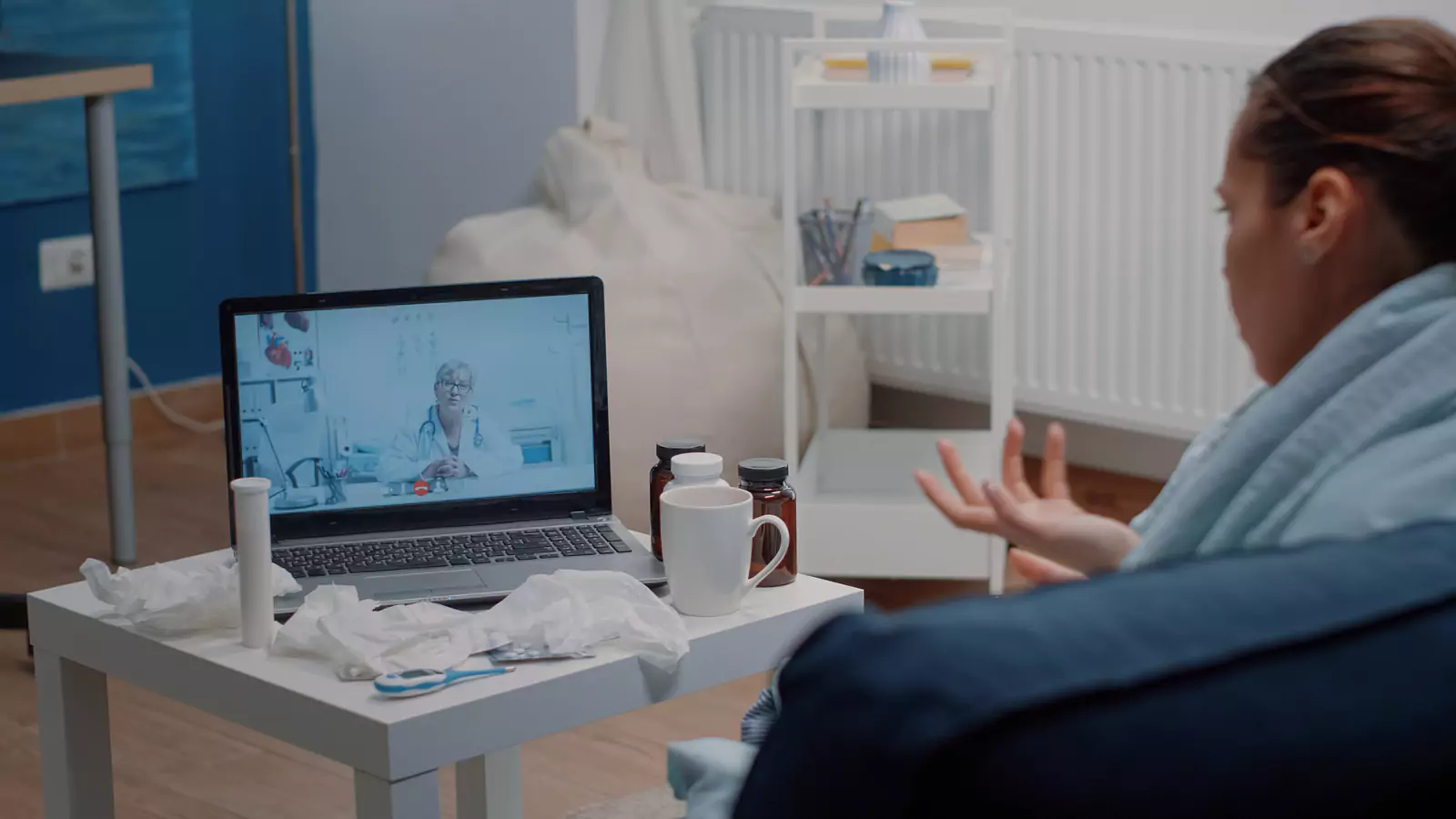
VirtualCare2Go specifically includes cold sores among the conditions it treats. For appropriate non-emergency symptoms, a licensed provider can evaluate your symptoms and determine whether treatment may be appropriate.
Because antiviral treatment can sometimes be most useful when started early, recognizing your typical warning signs may be particularly helpful.
Seek urgent medical attention for serious eye symptoms or widespread/severe illness associated with suspected herpes infection. Severe difficulty breathing, loss of consciousness, or other life-threatening symptoms require emergency care.
What Does a Cold Sore Look Like?
Cold sores most commonly develop around the lips or mouth.
They may begin as:
- Tingling
- Burning
- Itching
- Tenderness
This early stage can occur before a blister becomes visible.
Later, you may notice:
- One or more small blisters
- A cluster of fluid-filled blisters
- Redness
- Swelling
- Tenderness
- Crusting as the area heals
The appearance can change throughout the outbreak.
If you've never had a cold sore before and aren't sure what the lesion is, avoid automatically diagnosing it yourself.
Other conditions can cause sores around the mouth.
Why Do Cold Sores Keep Coming Back?
After someone becomes infected with HSV, the virus can remain in the body.
It may stay inactive for long periods.
At certain times, it can reactivate and produce another cold sore.
This is why treating an outbreak doesn't necessarily mean the virus has permanently disappeared from the body.
Recurrence patterns vary significantly.
One person may experience a cold sore once every few years.
Another may notice outbreaks several times a year.
Can Stress Trigger a Cold Sore?
Stress is commonly reported as a trigger for recurring cold sores.
You might notice an outbreak during:
- A difficult workweek
- Major deadlines
- Travel
- Family stress
- Exams
- Significant life changes
Stress may also interfere with sleep and normal routines, which can make it difficult to identify one specific trigger.
If your outbreaks consistently occur during stressful periods, keep track of that pattern.
Can Being Sick Trigger Cold Sores?
Yes.
Some people notice cold sores during or shortly after another illness.
This connection is part of why cold sores are sometimes called fever blisters.
You may notice an outbreak around the same time as:
- Fever
- A respiratory illness
- Another infection
- General physical stress
However, having a cold sore doesn't necessarily mean you have a fever or another infection.
Can Sun Exposure Trigger Cold Sores?
Sun exposure may trigger recurrent cold sores in some people.
You might notice outbreaks after:
- A beach trip
- Spending hours outdoors
- Outdoor sports
- Yard work
- Extended sun exposure
If sunlight appears to be one of your triggers, protecting your lips from excessive sun exposure may be worth discussing with your healthcare provider.
Could Lack of Sleep Be Contributing?
Fatigue may also coincide with cold sore outbreaks.
Think about whether outbreaks tend to occur after:
- Several late nights
- Overnight work
- Travel
- Major schedule changes
- Periods of poor-quality sleep
You may find that several triggers occur simultaneously.
For example, a stressful workweek might involve less sleep, more time outdoors, and another illness circulating through your household.
Can Hormonal Changes Trigger Cold Sores?
Some people report cold sore outbreaks around hormonal changes, including menstruation.
If you notice a consistent pattern, record it in your symptom diary.
Individual triggers can vary, and not every outbreak will have an obvious explanation.
Are Cold Sores Contagious?
Yes.
Cold sores can spread HSV to another person.
The virus can be transmitted through close contact, particularly when an active sore is present.
To reduce the risk of spreading it, avoid sharing items that directly contact the mouth during an outbreak, such as:
- Lip balm
- Lipstick
- Drinking glasses
- Eating utensils
- Towels used on the affected area
Also avoid picking at the sore and then touching another person.
Wash your hands after touching the affected area.
Can I Spread a Cold Sore by Kissing?
Yes.
Direct contact with an active cold sore can spread the virus.
Avoid kissing someone while you have an active outbreak, particularly when blisters or open sores are present.
It's also important to avoid oral contact that could expose another person's genitals to the virus during an outbreak.
HSV-1 can cause genital herpes through oral-genital contact.
Can Cold Sores Spread Even Before the Blister Appears?
The virus may be transmissible even when a visible blister isn't present.
That means the tingling or burning stage before the sore fully develops is important.
If you recognize that familiar sensation that usually signals an outbreak, begin taking precautions early rather than waiting for a large blister to appear.
Don't Pick or Pop a Cold Sore
It can be tempting to pop a blister or remove a crust.
Try not to.
Picking may:
- Irritate the area
- Delay healing
- Increase the chance of secondary infection
- Spread virus to your hands or other areas
Let the sore heal naturally and follow your healthcare provider's treatment recommendations.
Be Especially Careful Around Your Eyes
After touching a cold sore, avoid touching or rubbing your eyes.
Wash your hands thoroughly.
Herpes infection involving the eye can be serious and requires medical evaluation.
Seek prompt eye care for symptoms such as:
- Eye pain
- Significant eye redness
- Light sensitivity
- Vision changes
- A suspected herpes lesion near the eye
A routine cold-sore telehealth visit should not delay appropriate eye evaluation when these symptoms are present.
Cold Sore or Canker Sore?
These two are often confused.
A cold sore typically develops around the lips or mouth and is associated with HSV.
A canker sore usually develops inside the mouth and isn't caused by the herpes simplex virus.
Canker sores may occur on areas such as the:
- Inner lip
- Inner cheek
- Tongue
- Gum area
They are not the same condition and may require different management.
If you're unsure which type of sore you have, a healthcare provider can help evaluate the appearance and symptoms.
Cold Sore or Pimple?
A sore near the lip can sometimes look like acne.
A pimple may be more likely to:
- Develop around a hair follicle or pore
- Form a whitehead
- Lack the characteristic tingling/blister pattern
A cold sore may be more likely to begin with:
- Tingling
- Burning
- Itching
- Clusters of small blisters
However, appearance alone isn't always enough to tell.
Avoid squeezing an uncertain lesion.
What About Cracks at the Corners of My Mouth?
Painful cracks at the corners of the lips aren't necessarily cold sores.
Other conditions can affect this area.
If you repeatedly develop cracking, redness, or sores specifically at the corners of your mouth, tell your healthcare provider.
Don't assume every lip lesion is herpes.
Should I Cover My Cold Sore With Makeup?
Be cautious about applying cosmetic products directly over an active lesion.
Makeup applicators may become contaminated, and repeated touching may irritate the area.
Avoid sharing cosmetic products.
If you use a product directly on an active cold sore, consider whether the applicator itself could become contaminated.
Your healthcare provider or pharmacist can advise you about appropriate products during an outbreak.
Can Cold Sores Be Treated?
Yes.
Cold sore treatment may include antiviral medications when medically appropriate.
Depending on the individual situation, treatment may involve:
- Prescription antiviral medication
- Appropriate over-the-counter products
- Measures to reduce discomfort
- Strategies to reduce spreading the virus
Treatment recommendations depend on factors such as:
- When symptoms began
- How severe the outbreak is
- How frequently outbreaks occur
- Other medical conditions
- Medications
- Pregnancy status
- Immune system concerns
A licensed provider can determine what is appropriate for you.
Why Does Starting Treatment Early Matter?
For people who recognize their typical cold sore symptoms, timing can matter.
The first sign may be:
- Tingling
- Burning
- Itching
- Tenderness
This stage may occur before obvious blisters develop.
Some antiviral treatments are most useful when started early in an outbreak.
If you frequently get cold sores and recognize your usual warning signs, contacting a healthcare provider promptly may allow treatment to begin sooner when appropriate.
What If I Get Cold Sores Frequently?
Frequent outbreaks deserve discussion with a healthcare provider.
Keep track of:
- How often they occur
- How long they last
- How severe they become
- Possible triggers
- Whether treatment helps
Depending on your outbreak frequency and medical history, your provider may discuss different management approaches.
Don't assume you simply have to tolerate frequent outbreaks indefinitely.
Keep a Cold Sore Diary
If your cold sores repeatedly return, tracking them can help identify patterns.
Record:
- Date the tingling began
- When the blister appeared
- How long the outbreak lasted
- Recent illness
- Fever
- Stress
- Sleep
- Sun exposure
- Menstrual cycle when relevant
- Lip irritation
- Treatments used
- How quickly treatment began
After several outbreaks, you may notice a consistent trigger.
Take a Clear Photo
Cold sores change throughout their healing process.
If the lesion is clearly visible, consider taking a well-lit photo when symptoms are most noticeable.
This can be useful if the sore changes or begins healing before your appointment.
For a telehealth visit, good lighting can also make it easier for the provider to evaluate the affected area on camera.
Can I Prevent Every Cold Sore?
Unfortunately, there isn't always a way to prevent every outbreak.
But identifying your personal triggers may help.
General strategies may include:
- Getting adequate sleep
- Managing known triggers when possible
- Protecting your lips from excessive sun exposure
- Avoiding picking or irritating the lips
- Following your prescribed treatment plan
- Starting treatment promptly when instructed
If outbreaks are frequent, discuss prevention strategies with your healthcare provider.
When Can VirtualCare2Go Help?
Because cold sores are specifically included in VirtualCare2Go's treatment scope, telehealth can be a convenient option for many non-emergency outbreaks.
Consider scheduling a virtual visit if:
- You feel the familiar tingling of an outbreak beginning.
- A cold sore has appeared.
- Cold sores repeatedly return.
- Your current treatment isn't helping.
- You're unsure whether the lesion is actually a cold sore.
- You want to know whether antiviral treatment is appropriate.
- You need advice about reducing transmission.
- Your outbreaks are becoming more frequent.
During your appointment, your provider may ask about:
- When symptoms started
- Tingling or burning
- Where the lesion is located
- Whether blisters are present
- Previous cold sores
- How frequently outbreaks occur
- Recent illness
- Stress
- Sun exposure
- Medications
- Pregnancy status when relevant
- Immune system conditions
- Eye symptoms
- Other sores
Based on your evaluation, your provider can determine whether treatment is medically appropriate or whether you need an in-person examination.
When Might You Need In-Person Care?
Some sores around the mouth may require hands-on evaluation or testing.
In-person care may be appropriate when:
- The diagnosis is unclear.
- The sore has an unusual appearance.
- Symptoms are severe.
- The lesion isn't healing as expected.
- You have significant immune system concerns.
- A secondary bacterial infection is suspected.
- Eye involvement is possible.
A virtual provider can help determine the appropriate next step.
When Should You Seek Prompt Medical Care?
Seek prompt medical evaluation if:
- A sore develops close to the eye.
- You develop eye pain or significant redness.
- Light becomes painful to look at.
- Your vision changes.
- Sores become widespread or unusually severe.
- You have difficulty eating or drinking because of extensive sores.
- The area appears increasingly infected.
- You have a weakened immune system and develop significant symptoms.
- The lesion isn't healing as expected.
These situations may require specialized or in-person evaluation.
When Is It an Emergency?
Most routine cold sores are not emergencies.
However, seek emergency medical attention for:
- Severe difficulty breathing
- Severe swelling affecting the airway
- Loss of consciousness
- Severe confusion
- Seizure
- Other potentially life-threatening symptoms
Serious eye symptoms should also receive prompt medical attention rather than waiting for a routine appointment.
Frequently Asked Questions
Why do my cold sores keep coming back?
After infection, herpes simplex virus can remain inactive in the body and later reactivate. Illness, stress, fatigue, sun exposure, hormonal changes, and other factors may trigger outbreaks in some people.
Are cold sores contagious?
Yes. HSV can spread through close contact, particularly during an active outbreak.
Can I kiss someone if I have a cold sore?
It's best to avoid kissing during an active outbreak because direct contact can spread the virus.
Can a cold sore spread before I see a blister?
Transmission can occur even when a visible blister isn't present. Take precautions when you notice the familiar tingling or burning that may occur before an outbreak.
Should I pop a cold sore?
No. Picking or popping the blister may irritate the area, delay healing, and increase the chance of spreading the virus.
Is a canker sore the same as a cold sore?
No. Canker sores generally occur inside the mouth and are not caused by herpes simplex virus.
Can cold sores be treated with antiviral medication?
Yes. Antiviral medications may be appropriate for some patients. A healthcare provider can determine which treatment is appropriate.
Why should cold sore treatment start early?
Some antiviral treatments may work best when started during the early tingling, burning, or blister stage.
Does VirtualCare2Go treat cold sores?
Yes. Cold sores are specifically included among the conditions VirtualCare2Go treats.
Can VirtualCare2Go prescribe treatment for cold sores?
A licensed provider can evaluate your symptoms and determine whether prescription antiviral medication or another treatment is medically appropriate.
Convenient Virtual Care Throughout Texas
If you've had cold sores before, you may recognize an outbreak before anyone else can see it.
That tiny patch of tingling or burning can be your first clue.
Rather than waiting until the blister becomes larger and more uncomfortable, pay attention to those early warning signs.
Also think about what happened before the outbreak:
Were you sick?
Stressed?
Sleeping poorly?
Spending more time in the sun?
Recognizing your personal pattern can make future outbreaks easier to manage.
VirtualCare2Go provides virtual care for cold sores and many other common non-emergency conditions throughout Texas.
A licensed healthcare provider can review your symptoms, outbreak history, and medications and determine whether antiviral or other treatment is medically appropriate.
Patients must be physically located in Texas during their appointment.
Schedule Your Virtual Visit
If you feel a cold sore starting, have an active outbreak, or keep experiencing recurring cold sores—and you aren't experiencing urgent warning signs—consider scheduling a virtual evaluation with VirtualCare2Go.
Book your virtual visit today: https://www.virtualcare2go.com/