
 ES
ES








Why Do I Keep Getting Constipated?
Understanding Recurring Constipation and Bowel Changes
You finally get your stomach back on track.
Then a few days—or a few weeks—later, you're dealing with constipation all over again.
Maybe you're going to the bathroom less often than usual. Maybe your stool is harder to pass, or you feel like you still need to go even after you've had a bowel movement.
When constipation keeps coming back, it's natural to wonder:
Why does this keep happening?
Constipation doesn't necessarily mean you haven't had a bowel movement for several days.
It can also involve:
- Hard or dry stools
- Straining
- Difficulty passing stool
- Feeling like you haven't completely emptied your bowels
- Going less frequently than what's normal for you
- Abdominal discomfort or bloating
There are many possible contributors, including hydration, diet, medications, activity levels, travel, changes in routine, and certain health conditions.
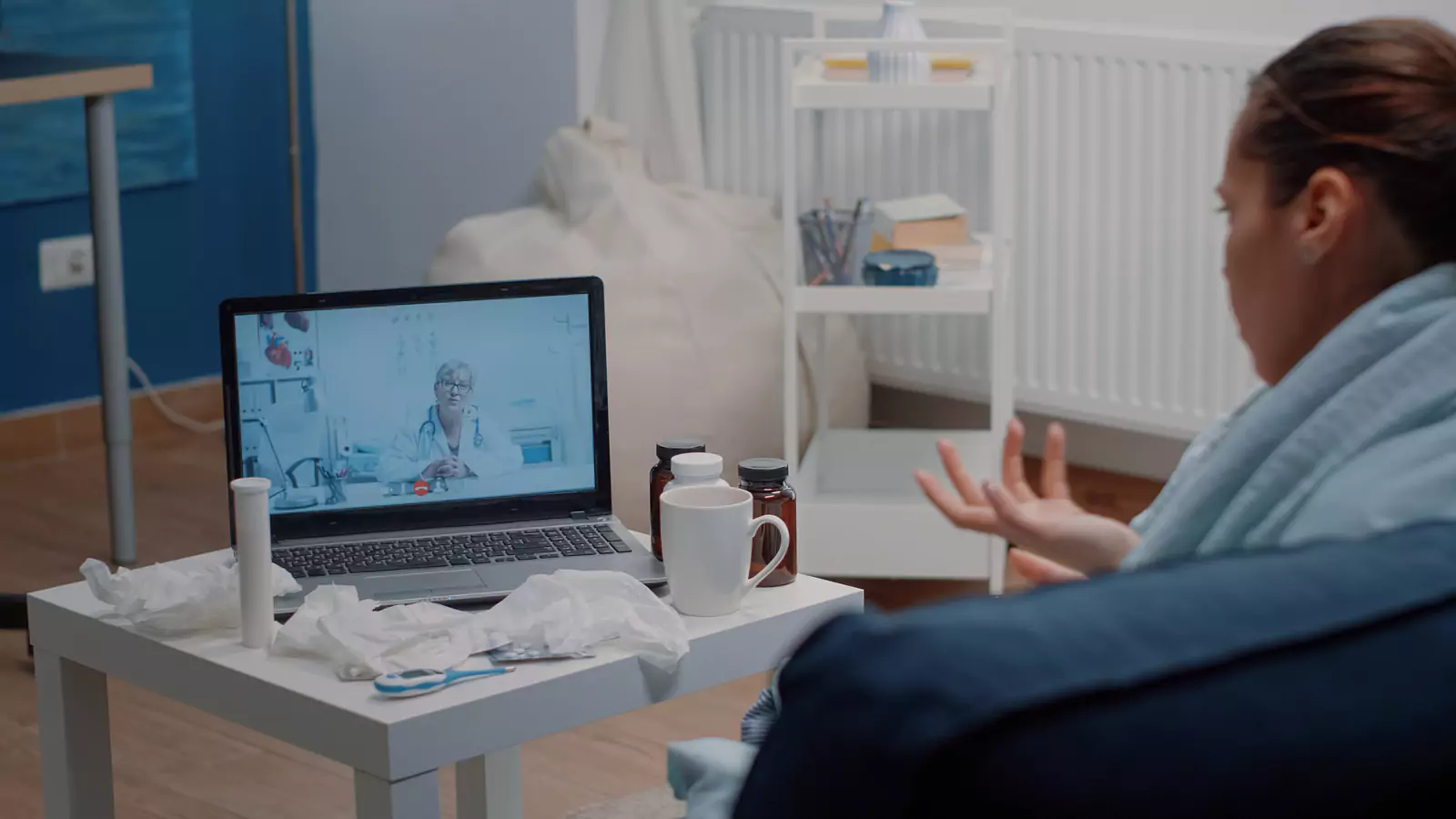
VirtualCare2Go specifically includes constipation among the conditions it treats. For appropriate non-emergency symptoms, a licensed provider can review your bowel habits, medications, diet, symptoms, and medical history and help determine what treatment or next steps may be appropriate.
However, severe or worsening abdominal pain, repeated vomiting, significant abdominal swelling, blood or black stool, inability to pass stool or gas with significant symptoms, fainting, or severe illness requires prompt medical evaluation.
How Often Should I Have a Bowel Movement?
There's no single schedule that's normal for everyone.
Some people naturally have bowel movements more frequently than others.
Instead of comparing yourself with someone else's bathroom schedule, pay attention to changes from your normal pattern.
Ask yourself:
- Am I going significantly less often?
- Is stool much harder than usual?
- Am I straining?
- Do bowel movements hurt?
- Do I still feel full afterward?
- Has something recently changed?
Your normal pattern matters.
Why Is My Stool So Hard?
The large intestine absorbs water from stool.
When stool moves slowly through the digestive tract, more water may be absorbed, making it harder and more difficult to pass.
Several factors can contribute to this, including:
- Not drinking enough fluid
- Low fiber intake
- Changes in routine
- Certain medications
- Reduced activity
- Ignoring the urge to have a bowel movement
The underlying reason isn't always obvious, particularly when constipation keeps returning.
Could I Be Dehydrated?
Not getting enough fluid may contribute to constipation for some people.
Possible signs you may need more fluid can include:
- Thirst
- Dry mouth
- Darker urine
- Reduced urination
- Headache
- Dizziness
Texas heat can also increase fluid loss, particularly if you're spending significant time outdoors or exercising.
But drinking enormous amounts of water isn't a universal constipation treatment.
People with heart, kidney, or other medical conditions may also have specific fluid recommendations.
Does Fiber Help With Constipation?
Fiber can help support healthy bowel movements for many people.
Sources include:
- Fruits
- Vegetables
- Beans
- Whole grains
- Nuts
- Seeds
But suddenly adding a large amount of fiber can sometimes increase:
- Gas
- Bloating
- Abdominal discomfort
A gradual increase may be easier to tolerate.
And fiber works best when your overall fluid intake is appropriate.
Can Too Much Fiber Make Me Feel Worse?
Yes.
If you suddenly go from eating very little fiber to consuming large amounts, your digestive system may need time to adjust.
You may notice:
- Gas
- Bloating
- Cramping
- Fullness
More isn't always better.
If you're dealing with persistent constipation, ask your healthcare provider what amount and type of fiber may be appropriate for you.
Can Sitting All Day Contribute to Constipation?
Reduced physical activity may contribute to slower bowel habits for some people.
This can become noticeable during periods of:
- Desk work
- Illness
- Recovery after a procedure
- Long travel
- Reduced mobility
Regular movement can support overall digestive health when medically appropriate.
You don't need an intense workout simply to “force” a bowel movement.
Why Do I Get Constipated When Traveling?
Travel can disrupt nearly every part of your normal routine.
You may:
- Eat different foods
- Drink less water
- Sit for long periods
- Sleep at different times
- Avoid unfamiliar bathrooms
- Ignore the urge to go
- Exercise less
Even a weekend trip can sometimes affect bowel habits.
If you regularly become constipated while traveling, planning ahead may help.
Can Holding It Make Constipation Worse?
Regularly ignoring the urge to have a bowel movement may contribute to constipation.
Maybe you're:
- At work
- In class
- Driving
- Traveling
- Uncomfortable using public restrooms
Occasionally waiting isn't unusual.
But repeatedly ignoring your body's signals may make bowel movements more difficult for some people.
Can Stress Affect My Bowel Movements?
Yes.
The digestive system and nervous system interact closely.
Stress can affect people differently.
Some develop diarrhea.
Others become constipated.
You may notice changes during:
- Busy work periods
- Travel
- Exams
- Major life changes
- Poor sleep
Stress shouldn't automatically be blamed for persistent constipation, but it may be one piece of the picture.
Can My Medication Cause Constipation?
Yes.
Constipation can occur as a side effect of certain medications or supplements.
Examples may include some:
- Pain medications
- Iron supplements
- Antacids
- Antidepressants
- Allergy medications
- Blood pressure medications
- Other prescription drugs
Don't stop an important prescription simply because you think it's causing constipation.
Instead, tell your provider what you're taking and when your symptoms began.
What About Iron Supplements?
Iron can cause constipation in some people.
You may also notice darker stool while taking certain iron products.
If you're taking iron because a healthcare provider recommended it, don't simply stop without discussing the problem.
Your provider may be able to adjust the treatment approach.
Can Pain Medicine Cause Constipation?
Certain pain medicines—particularly opioid medications—can significantly slow bowel movement.
If you're taking prescription pain medicine and constipation has developed, tell the prescribing healthcare professional.
Don't wait until constipation becomes severe.
Preventive strategies may sometimes be recommended when these medications are prescribed.
Could Vitamins or Supplements Be Causing It?
Possibly.
People sometimes forget to mention supplements because they don't think of them as medications.
During your appointment, include:
- Vitamins
- Minerals
- Herbal products
- Protein supplements
- Fiber supplements
- Other over-the-counter products
Your provider needs the complete picture.
Can Changes in My Diet Cause Constipation?
Yes.
Constipation may appear when your diet suddenly changes.
Maybe you've recently:
- Started a new diet
- Reduced carbohydrates
- Increased processed foods
- Stopped eating certain fruits or vegetables
- Increased dairy
- Changed your usual meal schedule
Think about what changed shortly before your bowel habits changed.
Can Eating Less Cause Fewer Bowel Movements?
Yes.
If you're eating significantly less food than usual, you may naturally produce less stool.
That doesn't necessarily mean you're constipated.
The more important questions are whether stool is:
- Hard
- Painful
- Difficult to pass
and whether you're experiencing other symptoms.
Is Bloating Normal With Constipation?
Bloating and a sensation of fullness can accompany constipation.
You may feel:
- Tight
- Gassy
- Heavy
- Uncomfortable
Mild bloating may improve after a bowel movement.
However, significant or rapidly worsening abdominal swelling, particularly with pain, vomiting, or inability to pass gas, deserves prompt medical attention.
Why Does My Stomach Hurt When I'm Constipated?
Constipation can cause cramping or generalized abdominal discomfort.
But not all abdominal pain should be blamed on constipation.
Seek medical evaluation for pain that is:
- Severe
- Constant
- Increasing
- Localized to one specific area
- Associated with repeated vomiting
- Accompanied by significant abdominal swelling
- Associated with fever or other concerning symptoms
The more severe the pain, the more cautious you should be about self-treatment.
Can Constipation Cause Nausea?
Some people may feel nauseated when significantly constipated.
But persistent or repeated vomiting—particularly with abdominal pain, swelling, or inability to pass stool or gas—can indicate a more serious problem.
VirtualCare2Go also treats nausea and vomiting, but severe gastrointestinal symptoms may require in-person evaluation.
What If I Can't Pass Gas?
Being unable to pass gas can be important when it occurs with other significant symptoms.
Seek prompt medical evaluation if you have:
- Significant abdominal swelling
- Severe abdominal pain
- Repeated vomiting
- Inability to pass stool or gas
These symptoms may indicate an intestinal obstruction or another condition requiring hands-on evaluation.
Don't repeatedly take laxatives without medical guidance when an obstruction may be possible.
Can Constipation Cause Hemorrhoids?
Repeated straining may contribute to hemorrhoids.
Hemorrhoids can cause:
- Rectal discomfort
- Itching
- Swelling
- Bright red bleeding
However, don't automatically assume rectal bleeding is from hemorrhoids.
New, recurrent, or significant bleeding deserves medical evaluation.
Is Blood After a Hard Bowel Movement Normal?
Hard stool and straining can sometimes cause small tears near the anus or irritate hemorrhoids.
That may produce a small amount of bright red blood.
But gastrointestinal bleeding has multiple possible causes.
Tell your healthcare provider about:
- New bleeding
- Recurrent bleeding
- Larger amounts of blood
- Dark or black stool
- Blood mixed throughout the stool
Significant bleeding requires prompt evaluation.
What Does Black Stool Mean?
Black stool can have different causes.
Certain medications or supplements—such as some iron products—may darken stool.
But black, tarry stool can also indicate gastrointestinal bleeding.
If your stool is unusually black and tar-like and you don't know why, seek medical evaluation, especially if you also feel weak, dizzy, or unwell.
Should I Push Harder?
Straining harder isn't necessarily the solution.
Repeated forceful straining can contribute to:
- Hemorrhoids
- Anal discomfort
- Pelvic-floor problems
If bowel movements regularly require significant straining, discuss that pattern with your healthcare provider.
Does Bathroom Position Matter?
Body position may affect how easily some people pass stool.
Some find that supporting the feet on a small stool while sitting on the toilet creates a more comfortable position.
Avoid extreme straining or spending prolonged periods sitting on the toilet trying to force a bowel movement.
How Long Should I Sit on the Toilet?
You don't need to turn the bathroom into a 30-minute scrolling session.
Sitting and straining for extended periods may contribute to hemorrhoid symptoms.
When possible, respond to a natural urge rather than repeatedly forcing a bowel movement when your body isn't ready.
Can I Take a Laxative?
Several types of over-the-counter constipation products exist, and they work differently.
Options may include:
- Fiber supplements
- Osmotic laxatives
- Stool softeners
- Stimulant laxatives
- Other products
The appropriate choice depends on the situation.
Ask a healthcare provider or pharmacist if you're unsure which product is appropriate, particularly if you have other medical conditions, take medications, are pregnant, or constipation is recurring.
Are All Laxatives the Same?
No.
Different laxatives work through different mechanisms.
Some draw water into the bowel.
Some increase stool bulk.
Others stimulate intestinal movement.
Because they aren't interchangeable, don't assume that the strongest-sounding option is automatically the best one.
Can I Take Laxatives Every Day?
That depends on the product and why you're constipated.
Some treatments may be used regularly under medical guidance, while others aren't intended to become your default long-term solution without evaluation.
If you continually need laxatives to have bowel movements, discuss it with a healthcare provider.
The goal is to understand why constipation keeps returning, not simply treat every episode indefinitely.
What About “Detox” Teas?
Be cautious with products marketed as:
- Detox teas
- Colon cleanses
- Flat-tummy teas
- Herbal cleanses
Some contain stimulant laxative ingredients and can cause:
- Cramping
- Diarrhea
- Dehydration
- Electrolyte problems
“Natural” doesn't automatically mean gentle or appropriate.
Do I Need a Colon Cleanse?
Routine constipation doesn't mean your body is “full of toxins” that need to be flushed out.
Aggressive colon-cleansing products can cause side effects and aren't a substitute for medical evaluation of recurring bowel problems.
If constipation persists, discuss it with a healthcare provider instead of repeatedly using cleanse products.
Could Pregnancy Cause Constipation?
Yes.
Constipation is common during pregnancy because of hormonal changes, supplements such as iron, and other factors.
But treatment choices during pregnancy require additional consideration.
Tell your healthcare provider if you:
- Are pregnant
- Could be pregnant
- Are breastfeeding
before starting new medications or supplements.
Can Children Get Constipated?
Yes.
Children may develop constipation related to:
- Diet
- Toilet training
- Holding bowel movements
- Changes in routine
- Other factors
Parents may notice:
- Hard stools
- Painful bowel movements
- Stool withholding
- Abdominal discomfort
- Less frequent bowel movements
Persistent constipation in children should be discussed with a healthcare provider rather than repeatedly giving adult constipation products.
Why Would a Child Hold Their Stool?
Sometimes a child experiences one painful bowel movement and becomes afraid the next one will hurt.
That can create a cycle:
Hard stool → painful bowel movement → child holds stool → stool becomes harder → next bowel movement hurts even more.
If you notice withholding behavior, early guidance can help prevent the cycle from continuing.
What About Constipation in Older Adults?
Constipation can become more common with:
- Reduced activity
- Medication use
- Changes in diet
- Certain medical conditions
Older adults may also be more vulnerable to dehydration and medication side effects.
New or significant bowel changes deserve evaluation rather than simply being dismissed as part of aging.
When Is Constipation Considered Chronic?
Constipation that continues for a prolonged period or repeatedly returns may be considered chronic.
If you've been struggling for weeks or months, a provider may need to look beyond short-term triggers.
Evaluation may include:
- Diet
- Medication use
- Medical history
- Bowel pattern
- Associated symptoms
- Previous treatments
Additional testing or referral may sometimes be recommended.
What If My Bowel Habits Suddenly Changed?
A persistent change from your normal bowel pattern deserves attention.
Tell your provider if you've developed:
- New constipation
- Changes in stool shape
- Unexplained bleeding
- Unexplained weight loss
- Persistent abdominal discomfort
- Alternating constipation and diarrhea
These symptoms don't automatically mean something serious is wrong, but they shouldn't be ignored.
Keep a Bowel-Symptom Diary
It may feel awkward, but a simple record can be very useful.
Track:
- How often you have bowel movements
- Stool consistency
- Straining
- Bloating
- Abdominal pain
- Blood
- Fluid intake
- Fiber intake
- Exercise
- Medications
- Travel
- Changes in routine
You don't need to track forever.
A short period may be enough to reveal a pattern.
What Can I Try for Mild Constipation?
For appropriate mild constipation, your healthcare provider may recommend strategies such as:
- Adequate hydration
- Gradually increasing dietary fiber
- Regular physical activity when appropriate
- Responding to the urge to have a bowel movement
- Establishing a consistent bathroom routine
- Reviewing medications or supplements
- An appropriate over-the-counter treatment when indicated
The best approach depends on why you're constipated.
When Can VirtualCare2Go Help?
Because constipation is specifically included in VirtualCare2Go's treatment scope, telehealth can be a convenient starting point for many non-emergency bowel concerns.
Consider scheduling a virtual visit if:
- You keep becoming constipated.
- Your stools are consistently hard.
- You're frequently straining.
- You're going less often than normal.
- You're bloated or mildly uncomfortable.
- Constipation began after starting a medication.
- Travel or routine changes seem to trigger symptoms.
- You're unsure which over-the-counter treatment is appropriate.
- Your usual constipation routine isn't helping.
During your appointment, your provider may ask about:
- Your normal bowel pattern
- When symptoms began
- Stool consistency
- Straining
- Abdominal pain
- Bloating
- Nausea or vomiting
- Ability to pass gas
- Blood in the stool
- Diet
- Fluid intake
- Activity
- Medications
- Supplements
- Pregnancy when relevant
- Previous constipation treatments
Based on the evaluation, the provider can recommend appropriate treatment or determine whether additional testing or in-person care is needed.
When Might You Need In-Person Care?
Constipation may require hands-on evaluation when symptoms are:
- Persistent
- Severe
- Associated with significant abdominal pain
- Associated with recurrent bleeding
- Accompanied by unexplained weight loss
- Part of a major change in bowel habits
- Not responding to appropriate treatment
A healthcare provider may recommend testing or referral depending on your symptoms.
When Should You Seek Prompt Medical Care?
Seek prompt medical evaluation if constipation occurs with:
- Significant or worsening abdominal pain
- Repeated vomiting
- Significant abdominal swelling
- Blood in the stool
- Black, tarry stool
- Fever
- Unexplained weight loss
- Inability to pass stool or gas with significant symptoms
- New severe constipation
- Symptoms that continue worsening
These symptoms may indicate something more than routine constipation.
When Is Constipation an Emergency?
Seek emergency medical care for:
- Severe or rapidly worsening abdominal pain
- Repeated vomiting with significant abdominal swelling
- Inability to pass stool or gas with severe symptoms
- Fainting or loss of consciousness
- Severe weakness or confusion
- Significant gastrointestinal bleeding
- Signs of shock
- Any other potentially life-threatening symptoms
Routine virtual care should never delay emergency evaluation.
Frequently Asked Questions
Why do I keep getting constipated?
Recurring constipation may be related to hydration, fiber intake, medications, physical activity, travel, changes in routine, bowel habits, or other medical factors.
How often should I poop?
Normal bowel frequency varies. A change from your usual pattern, along with hard stool, straining, or difficulty passing stool, can be more meaningful than the exact number of bowel movements.
Does drinking water help constipation?
Adequate hydration can support healthy bowel movements, particularly if dehydration is contributing to hard stool.
Does fiber help?
Fiber can help many people, but increasing it too quickly may cause gas and bloating.
Can medications make me constipated?
Yes. Several prescription medications, over-the-counter medicines, and supplements can contribute to constipation.
Can travel cause constipation?
Yes. Changes in diet, hydration, activity, sleep, and bathroom habits can all affect bowel movements while traveling.
Should I take a laxative?
It depends on your symptoms, medical history, and the type of laxative. A healthcare provider or pharmacist can help determine an appropriate option.
Is constipation with vomiting concerning?
It can be. Repeated vomiting, severe abdominal pain or swelling, and inability to pass stool or gas require prompt medical evaluation.
Does VirtualCare2Go treat constipation?
Yes. Constipation is specifically included among the conditions VirtualCare2Go treats.
Can VirtualCare2Go recommend constipation treatment?
Yes. A licensed provider can evaluate your symptoms and determine whether lifestyle changes, an appropriate medication, additional testing, or in-person care may be needed.
Convenient Virtual Care Throughout Texas
When constipation keeps returning, it's easy to focus only on getting through the next bowel movement.
But recurring symptoms are worth looking at more closely.
Are you drinking differently than usual?
Has your diet changed?
Did you start a new medication or supplement?
Have you been traveling or sitting more?
Are you regularly ignoring the urge to use the bathroom?
Are you relying on laxatives over and over again?
Finding the pattern may be just as important as treating the current episode.
VirtualCare2Go provides virtual care for constipation, diarrhea, nausea, vomiting, and many other common non-emergency conditions throughout Texas.
A licensed healthcare provider can review your symptoms and help determine an appropriate treatment plan or whether additional evaluation may be necessary.
Patients must be physically located in Texas during their appointment.
Schedule Your Virtual Visit
If constipation keeps returning, your usual routine isn't helping, or you're unsure what may be contributing—and you aren't experiencing serious warning signs—consider scheduling a virtual evaluation with VirtualCare2Go. Book your virtual visit today: https://www.virtualcare2go.com/