
 ES
ES







Why Does My Hair Keep Breaking?
Understanding Hair Breakage Versus Hair Loss
You look down at the bathroom counter and there it is.
Hair.
Again.
It's on your brush.
It's in the sink.
It's on your shirt.
And suddenly you're wondering:
“Am I losing my hair?”
Maybe.
But there is another possibility that people often overlook:
Your hair may be breaking rather than falling out from the root.
Hair breakage and hair loss can look similar at first, but they aren't exactly the same thing.
Breakage happens when the hair shaft snaps somewhere along its length.
Hair loss or shedding occurs when the entire strand releases from the follicle.
Knowing which one you're experiencing can provide useful clues about what may be happening.
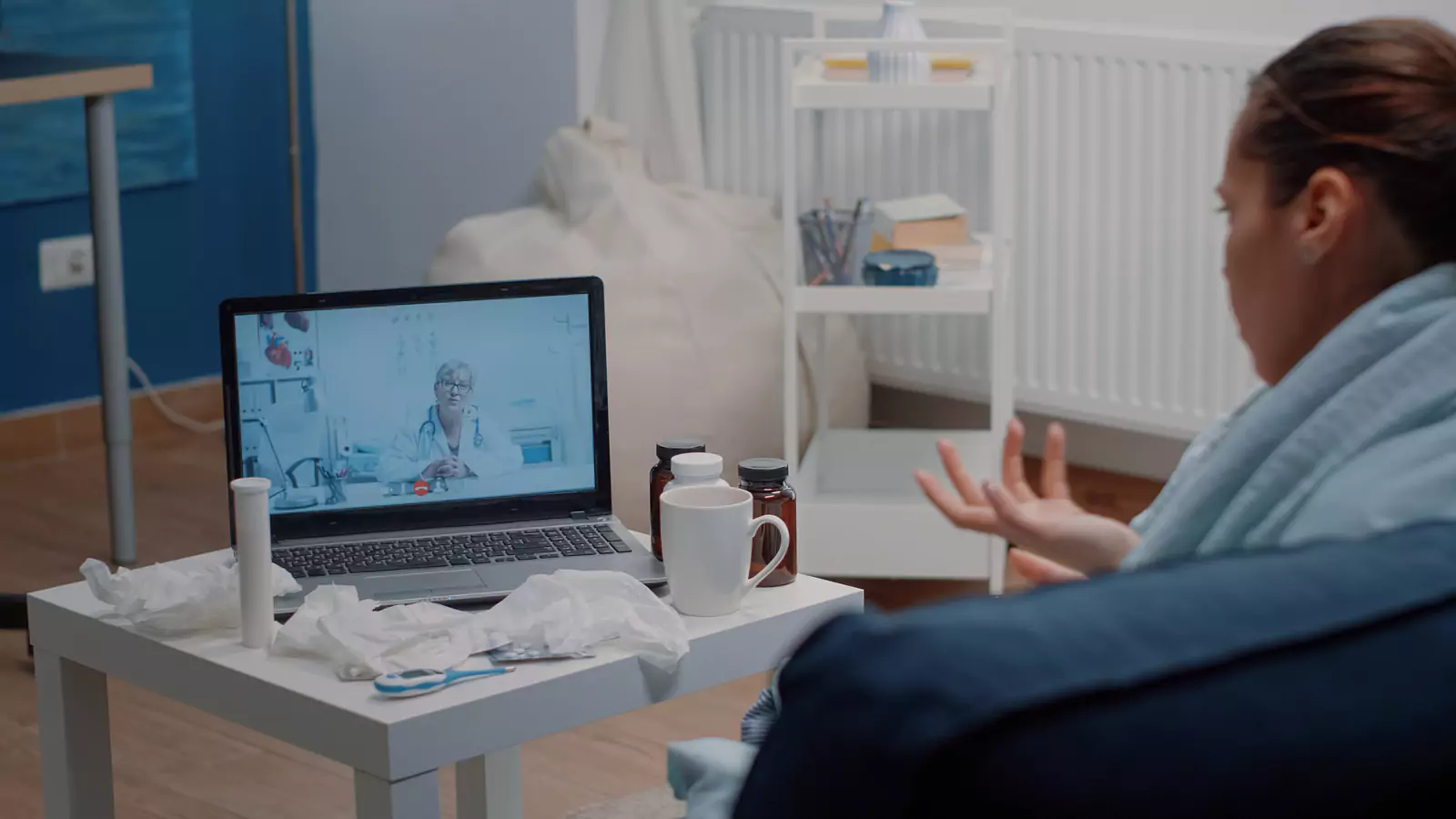
VirtualCare2Go specifically includes alopecia and hair follicle concerns among its treatment areas. For appropriate non-emergency concerns, a licensed provider can review your symptoms, photographs, hair-care history, medications, and other health information and help determine whether virtual evaluation, laboratory testing, or an in-person examination may be appropriate.
Hair Breakage or Hair Loss?
Start by looking at the hair you're finding.
With breakage, you may notice:
- Short pieces of hair
- Different strand lengths
- Split ends
- Frizz
- Snapping during brushing
- Uneven areas
- Hair that feels brittle
With shedding or hair loss, you may notice:
- Full-length strands coming out
- More hair than usual in the shower
- Increased hair on your pillow or clothing
- A widening part
- Reduced overall density
- Visible scalp
- Bald or thinning patches
It is also possible to experience both at the same time.
What Does Hair Breakage Actually Mean?
Your hair shaft is made largely of a protein called keratin.
Although hair can tolerate everyday styling and grooming, repeated physical or chemical stress can weaken the shaft.
Eventually, a weakened strand may snap.
Think of repeatedly bending the same piece of material.
At first, nothing happens.
But enough repeated stress can eventually cause it to break.
Hair can behave similarly.
Why Does My Hair Break So Easily?
Hair may become more vulnerable to breakage because of:
- Frequent heat styling
- Bleaching
- Chemical processing
- Tight hairstyles
- Rough brushing
- Excessive manipulation
- Friction
- Dryness
- Certain hair-care practices
- Existing hair-shaft damage
Sometimes several factors are happening together.
Can Flat Irons Cause Hair Breakage?
Yes.
Frequent high-temperature styling can damage the hair shaft.
This includes:
- Flat irons
- Curling irons
- Hot combs
- Other heated styling tools
You don't necessarily need to abandon every styling tool forever.
But temperature, frequency, and technique matter.
If your hair is snapping more often, consider how much heat it receives each week.
Can Blow-Drying Damage Hair?
Potentially.
Repeated high heat may contribute to dryness and shaft damage.
Holding very hot airflow extremely close to the hair may increase stress.
If breakage is becoming noticeable, consider reducing:
- Temperature
- Frequency
- Duration
and handling wet hair gently.
Does Heat Protectant Completely Prevent Damage?
No product can make hair invincible.
Heat-protectant products may help reduce some heat-related damage when used appropriately, but they do not mean unlimited heat is harmless.
Using heat protectant and then repeatedly passing a very hot flat iron over the same section can still stress the hair.
Can Bleach Make Hair Break?
Yes.
Bleaching chemically alters the hair.
Repeated or aggressive bleaching can weaken strands and make them:
- Dry
- Brittle
- Rough
- More prone to snapping
If your hair began breaking after a major color change, bleaching may be an important clue.
Why Is My Hair Breaking After Highlights?
Highlights typically involve lightening selected sections of hair.
Those processed strands may become more fragile than untreated hair.
You may notice breakage concentrated:
- Around highlighted sections
- Near the front of the hair
- At previously processed ends
Repeated overlapping bleach applications can increase damage.
Can Hair Dye Cause Breakage?
Permanent color and other chemical treatments can contribute to hair damage, particularly when combined with:
- Bleaching
- Heat
- Frequent processing
- Relaxers
- Other chemical services
Tell your stylist about your complete chemical-treatment history before adding another process.
Can Relaxers Cause Hair Breakage?
Chemical relaxers alter the structure of the hair.
Improper application, overlapping treatments, or excessive processing may weaken the shaft.
If you notice:
- Sudden snapping
- Scalp burning
- Significant irritation
- Hair breaking close to the scalp
after a chemical treatment, stop adding additional chemical stress and consider professional evaluation.
What If My Scalp Burned During a Chemical Treatment?
Significant scalp burning should not be ignored.
Chemical products can irritate or injure the scalp.
If you develop:
- Blisters
- Open sores
- Significant swelling
- Severe pain
- Drainage
- Worsening redness
seek medical attention.
A damaged scalp is different from ordinary hair breakage.
Can Tight Ponytails Break Hair?
Yes.
Repeated tension can cause breakage, especially around:
- Hairline
- Temples
- Nape of the neck
If your ponytail feels like it's giving you a facelift, it may be tighter than your hair appreciates.
Looser styling may reduce unnecessary tension.
Can Braids Cause Breakage?
Braids themselves aren't automatically damaging.
The concern is excessive tension.
Braids that are painfully tight may stress both the hair shaft and follicles.
Warning signs include:
- Scalp pain
- Small bumps
- Headaches
- Redness
- Broken hairs around the hairline
A protective style shouldn't require days of pain to “settle.”
Can Extensions Damage Hair?
Extensions may place additional weight or tension on natural hair.
The risk can depend on:
- Installation method
- Weight
- Duration
- Maintenance
- Existing hair health
Repeated tension in the same areas may contribute to breakage or certain forms of hair loss.
What Is Traction Alopecia?
Traction alopecia is hair loss associated with repeated pulling or tension on the hair follicles.
It may occur with consistently tight hairstyles.
Early signs can include:
- Broken hairs
- Thinning around the hairline
- Scalp tenderness
- Small bumps
- Receding areas
Over time, prolonged traction may cause more significant hair loss.
This is one reason hairline changes shouldn't automatically be dismissed as simple breakage.
Can Traction Alopecia Grow Back?
Early traction-related hair loss may improve when the pulling force is removed.
However, prolonged damage can sometimes become permanent.
If your hairline is progressively thinning from tight hairstyles, don't wait years before changing the styling pattern.
Can Wearing a Bun Every Day Break Hair?
Potentially.
Especially if the bun is:
- Very tight
- Always positioned in the same place
- Secured with damaging accessories
Changing placement and reducing tension may help decrease repeated stress on the same strands.
Can Hair Ties Cause Breakage?
Yes.
Hair accessories may repeatedly rub or pull at the same area.
If you notice lots of short broken hairs exactly where your ponytail holder sits, that's a clue.
Consider gentler accessories and avoid pulling hair excessively tight.
Can Brushing Wet Hair Cause Breakage?
Wet hair can be more vulnerable to mechanical damage.
Aggressive brushing, tugging, or detangling may cause strands to snap.
Be patient with knots.
The goal is to untangle your hair—not win an argument with it.
Should I Brush From the Roots Down?
When hair is tangled, aggressively dragging a brush from the roots through knots may increase pulling and breakage.
Many people find it gentler to work through tangles gradually, beginning closer to the ends and moving upward.
Hair type matters, so grooming techniques may need to be individualized.
Can Towels Damage Hair?
Rough towel-drying may increase friction.
Aggressively rubbing wet hair back and forth can contribute to:
- Frizz
- Tangling
- Breakage
Gently blotting or squeezing excess water may reduce mechanical stress.
Can Sleeping Damage Hair?
Friction between your hair and bedding can contribute to tangling and breakage, especially if hair is already fragile.
This doesn't mean your pillow is secretly attacking you.
But repeated nighttime friction may matter for certain hair types.
Does a Silk Pillowcase Prevent Hair Loss?
A smoother pillowcase may reduce friction for some people, but it does not treat medical hair loss.
If your hair is thinning from alopecia, hormonal changes, nutritional problems, medications, or another medical condition, switching pillowcases isn't a substitute for evaluation.
Why Is My Hair Breaking Around My Hairline?
The hairline is vulnerable because those hairs may experience repeated:
- Styling
- Brushing
- Gel application
- Tight ponytails
- Braids
- Extensions
- Edge styling
If you notice progressive thinning rather than just occasional short hairs, consider whether follicle damage may also be occurring.
Why Is My Hair Breaking at the Crown?
Breakage concentrated at the crown may be related to:
- Styling patterns
- Friction
- Heat
- Chemical processing
- Hair texture
- Other scalp or hair conditions
Take clear photographs over time.
If the area appears increasingly thin, you may be dealing with more than shaft breakage.
What Are Split Ends?
Split ends occur when the end of the hair shaft begins separating.
They are a sign of hair-shaft wear.
Products may temporarily smooth their appearance, but they cannot permanently fuse severely split hair back together.
Trimming damaged ends may help improve appearance and prevent splits from traveling farther up the shaft.
Does Cutting My Hair Make It Grow Faster?
No.
Hair grows from follicles in the scalp.
Cutting the ends doesn't change how quickly those follicles produce hair.
However, trimming damaged ends can make hair look healthier and reduce the appearance of breakage.
Why Does My Hair Never Seem to Get Longer?
Sometimes hair is growing normally at the scalp but breaking at the ends at a similar rate.
That can create the impression:
“My hair doesn't grow.”
In reality, you may be gaining length and losing it through breakage.
This is particularly worth considering if you see:
- Split ends
- Short pieces
- Uneven length
- Frequent snapping
Can Dry Hair Break More Easily?
Yes.
Dry, damaged hair may be less flexible and more prone to snapping.
Possible contributors include:
- Heat
- Chemicals
- Environmental exposure
- Hair-care practices
But severe or sudden changes in hair texture may also deserve medical evaluation.
Can Washing My Hair Too Much Cause Breakage?
Hair-washing needs vary dramatically depending on:
- Hair type
- Scalp oiliness
- Styling practices
- Activity
- Medical conditions
The issue isn't simply that shampoo touches your hair.
Harsh products, aggressive handling, and repeated manipulation may contribute to damage.
There is no universal washing schedule that works for everyone.
Can Not Washing My Hair Cause Hair Loss?
Skipping shampoo doesn't automatically cause alopecia.
However, scalp conditions may worsen when not managed appropriately.
If your scalp develops:
- Significant scaling
- Redness
- Itching
- Pain
- Sores
- Hair loss
a healthcare provider may need to evaluate both the scalp and hair.
Can Dandruff Cause Hair Breakage?
Significant scalp itching may lead to scratching and mechanical damage.
Some scalp conditions may also affect overall hair health.
If you have severe flakes plus hair loss or scalp inflammation, don't assume ordinary dandruff explains everything.
What If My Scalp Is Red and Itchy?
Scalp symptoms provide important clues.
Tell your healthcare provider if hair changes occur with:
- Redness
- Itching
- Scaling
- Burning
- Tenderness
- Bumps
- Drainage
- Sores
Hair breakage without scalp symptoms may point in a different direction from hair loss accompanied by significant inflammation.
Can Hair Follicle Problems Cause Hair Loss?
Yes.
Hair grows from follicles within the scalp.
Certain inflammatory, infectious, autoimmune, hormonal, or other medical conditions can interfere with normal hair growth.
VirtualCare2Go specifically includes hair follicle concerns among its treatment areas.
What Is Alopecia?
Alopecia simply means hair loss.
There are many different types and causes.
Alopecia may appear as:
- Overall thinning
- Increased shedding
- Receding hairline
- Widening part
- Distinct patches
- Other patterns
The pattern itself can provide important diagnostic clues.
What Does Patchy Hair Loss Look Like?
Patchy hair loss may appear as one or more areas where hair density is noticeably reduced compared with surrounding scalp.
Some patches may be:
- Round
- Oval
- Smooth
Others may show:
- Broken hairs
- Scaling
- Inflammation
Not every bald patch has the same cause.
Is a Bald Patch Hair Breakage?
Not necessarily.
A clear bald or thinning patch may indicate a form of alopecia, scalp infection, traction, or another condition.
Look closely at whether:
- Hair is absent from the root
- Short broken hairs remain
- Skin looks smooth
- Scaling is present
- Redness is present
Clear photographs can help a provider assess the pattern.
Why Am I Shedding More Hair Than Usual?
Increased shedding can occur for many reasons.
Potential contributors include:
- Physical illness
- Significant stress on the body
- Hormonal changes
- Certain medications
- Nutritional problems
- Thyroid conditions
- Other medical factors
The timing matters.
Sometimes increased shedding begins weeks or months after the triggering event.
Can Stress Make My Hair Fall Out?
Significant physical or emotional stress may contribute to certain types of increased shedding.
But don't automatically blame every hair change on stress.
A healthcare provider may need to consider other possible causes based on:
- Timing
- Pattern
- Medical history
- Medications
- Other symptoms
Can Illness Cause Hair Shedding Later?
Yes.
Some people experience increased shedding several weeks or months after:
- Significant illness
- High fever
- Surgery
- Major physical stress
This type of delayed timing can be confusing because the original illness may already feel like ancient history.
Tell your provider about major health events from the previous several months.
Can Weight Loss Affect My Hair?
Rapid or significant weight changes may sometimes contribute to hair shedding, particularly when nutritional intake is affected.
If hair changes began during or after weight loss, discuss:
- Rate of weight loss
- Diet
- Protein intake
- Medications
- Other symptoms
with your healthcare provider.
VirtualCare2Go also offers weight-loss services, but hair changes during a weight-management program should still be medically evaluated rather than assumed to be normal.
Can Low Iron Cause Hair Loss?
Iron deficiency can be associated with hair shedding in some people.
However, looking at your hair cannot diagnose iron deficiency.
A healthcare professional may consider laboratory testing based on your:
- Symptoms
- Diet
- Menstrual history
- Medical history
- Other risk factors
Don't start high-dose iron solely because you're shedding hair.
Too much iron can be harmful.
Can Thyroid Problems Affect Hair?
Yes.
Thyroid disorders may affect hair growth and texture.
Hair changes may occur along with other symptoms such as:
- Fatigue
- Weight changes
- Temperature sensitivity
- Heart-rate changes
- Menstrual changes
- Other symptoms
Laboratory testing may be needed if a thyroid problem is suspected.
Can Hormones Affect Hair?
Yes.
Hormonal changes can influence the hair-growth cycle.
Hair changes may occur around:
- Pregnancy
- Postpartum periods
- Menopause
- Certain endocrine conditions
- Medication changes
Tell your provider about the timing.
Why Is My Hair Shedding After Pregnancy?
Postpartum hair shedding is common.
Hormonal changes after pregnancy can shift more hairs into the shedding phase.
This often becomes noticeable several months after delivery.
However, severe, prolonged, or unusual hair loss should still be discussed with a healthcare professional.
Can Birth Control Affect Hair?
Hormonal contraceptives may affect hair differently depending on the person and formulation.
If hair changes began after:
- Starting birth control
- Switching products
- Stopping birth control
tell your healthcare provider.
Do not stop prescribed medication solely because of hair changes without discussing your options.
Can Medications Cause Hair Loss?
Certain medications may contribute to hair shedding or other hair changes.
If symptoms began after starting a medication, document:
- Medication name
- Start date
- When hair changes began
Your healthcare provider can help assess whether there may be a connection.
Should I Stop My Medication?
Not on your own.
Stopping an important prescription medication suddenly may be dangerous.
Discuss suspected medication-related hair changes with the prescribing clinician.
Can Nutrition Affect Hair Health?
Yes.
Hair growth depends on overall health and adequate nutrition.
Very restrictive diets or deficiencies may affect the hair cycle.
However, that does not mean everyone experiencing hair loss needs a shelf full of supplements.
Testing and individualized medical advice are better than guessing.
Should I Take Biotin?
Biotin supplements are heavily marketed for hair.
But deficiency is not the explanation for every hair problem.
High-dose biotin may also interfere with certain laboratory tests.
Tell your healthcare provider about any supplements you take.
Does Collagen Stop Hair Breakage?
Collagen products are commonly marketed for hair, skin, and nails.
Evidence for specific hair benefits varies, and supplements do not undo physical damage from bleaching, heat, or excessive tension.
A supplement cannot repair a strand that has already snapped.
What About Hair-Growth Gummies?
Be cautious with marketing promises.
Hair supplements may contain multiple vitamins or minerals, sometimes at high doses.
More isn't automatically better.
If you're experiencing true hair loss, identify the possible cause rather than assuming a gummy will fix it.
Can Hair Oil Repair Broken Hair?
Hair oils may help:
- Reduce friction
- Improve softness
- Make hair appear smoother
But once a hair shaft is physically broken, oil cannot reconnect it.
Cosmetic improvement and biological repair are not the same thing.
Can Conditioner Help Prevent Breakage?
Conditioning products may help improve manageability and reduce friction for some hair types.
That may make detangling gentler.
Choose products appropriate for your hair and scalp.
If a product causes significant itching, burning, or rash, discontinue it and consider evaluation.
What Should I Do If My Hair Is Breaking?
Start by reducing obvious sources of damage.
Consider:
- Lowering heat exposure
- Taking a break from chemical processing
- Avoiding painfully tight hairstyles
- Detangling gently
- Reducing unnecessary manipulation
- Using appropriate conditioning products
- Trimming severely damaged ends
- Protecting hair from repeated friction
Then watch what happens.
If breakage continues despite changing your routine, it may be time to look deeper.
How Can I Tell If My Hair Routine Is the Problem?
Try creating a timeline.
Ask:
When did the breakage begin?
Then look at what changed around that time.
Did you:
- Bleach your hair?
- Start using a flat iron daily?
- Get extensions?
- Start tight braids?
- Change chemical treatments?
- Begin a new medication?
- Experience an illness?
- Lose significant weight?
Timing can reveal patterns.
Should I Take Pictures of My Hair?
Absolutely.
Hair changes are difficult to judge from memory.
Photograph:
- Hairline
- Temples
- Center part
- Crown
- Back of scalp
- Any thinning patches
Try to use:
- Similar lighting
- Similar hairstyle
- Similar angles
each time.
How Often Should I Take Hair Photos?
You don't need a daily hair-loss photoshoot.
Hair changes often happen gradually.
Periodic photographs taken under similar conditions are usually more useful than checking several times each day.
Follow any monitoring schedule recommended by your healthcare provider.
Should I Save the Hair That Falls Out?
Usually, you don't need to collect every strand in a plastic bag.
Instead, observe whether you're seeing mostly:
- Full-length hairs
- Short broken pieces
- Hair clumps
- Increased shower shedding
A photograph may be sufficient to demonstrate what you're noticing.
What Should I Tell My Provider?
Be ready to discuss:
- When symptoms started
- Breakage versus shedding
- Areas affected
- Hair-care routine
- Heat styling
- Chemical treatments
- Tight hairstyles
- Scalp symptoms
- Recent illness
- Pregnancy or postpartum status
- Weight changes
- Medications
- Supplements
- Diet
- Family history of hair loss
The more complete the picture, the more useful the evaluation can be.
Can VirtualCare2Go Help With Hair Concerns?
Yes.
VirtualCare2Go specifically includes alopecia and hair follicle concerns among its treatment areas.
For appropriate non-emergency concerns, a licensed provider can review:
- Your hair-loss pattern
- Scalp photographs
- Medical history
- Medications
- Hair-care practices
- Associated symptoms
and help determine appropriate next steps.
Depending on the situation, additional testing or an in-person evaluation may be recommended.
Can Hair Loss Be Diagnosed Through a Photo?
Sometimes photographs provide useful clues.
But they don't answer every question.
Certain hair or scalp conditions may require:
- Physical examination
- Hair-pull testing
- Dermoscopy
- Laboratory testing
- Fungal testing
- Biopsy
- Dermatology evaluation
Telehealth can be a useful starting point, but it cannot replace every hands-on test.
When Might I Need Lab Work?
A healthcare provider may consider laboratory testing when hair loss could be associated with conditions involving:
- Iron
- Thyroid function
- Nutrition
- Hormones
- Other medical factors
Testing should be based on your history and symptoms rather than ordering every possible lab indiscriminately.
When Might I Need a Dermatologist?
An in-person dermatology evaluation may be appropriate for:
- Unexplained patchy hair loss
- Significant scalp inflammation
- Possible scarring hair loss
- Persistent hair loss despite initial management
- Uncertain diagnosis
- Rapid progression
- Symptoms requiring specialized examination or biopsy
Early evaluation can be particularly important when scarring is suspected.
What Is Scarring Hair Loss?
Some conditions damage hair follicles and replace them with scar tissue.
This can lead to permanent hair loss.
Possible warning signs may include:
- Smooth shiny areas
- Loss of visible follicle openings
- Significant inflammation
- Burning or pain
- Progressive patches
These conditions require appropriate medical evaluation.
When Should Hair Loss Be Evaluated?
Consider scheduling an evaluation if you notice:
- Sudden significant shedding
- Distinct bald patches
- Progressive thinning
- Receding hairline
- Significant breakage despite gentler care
- Scalp pain
- Scalp burning
- Redness
- Scaling
- Open sores
- Hair changes with other medical symptoms
Don't wait until you've lost a large amount of hair to begin documenting the pattern.
When Should You Seek Prompt Medical Care?
Seek medical evaluation promptly if hair or scalp changes include:
- Painful scalp lesions
- Significant swelling
- Pus or drainage
- Rapidly spreading redness
- Severe chemical burns
- Open wounds
- Fever with worsening scalp symptoms
- Rapid unexplained hair loss
- Significant hair loss in a child
These symptoms may require more than routine cosmetic hair care.
When Is Hair Breakage an Emergency?
Hair breakage itself is generally not an emergency.
Seek emergency care for associated symptoms such as:
- Severe chemical burns
- Serious allergic reaction
- Facial or throat swelling
- Difficulty breathing
- Severe rapidly spreading infection
- Other potentially life-threatening symptoms
Routine telehealth should never delay emergency treatment.
Frequently Asked Questions
How can I tell if my hair is breaking or falling out?
Breakage often produces shorter strands of different lengths, split ends, and snapping. Hair shedding usually involves full-length strands releasing from the follicle.
Why does my hair break so easily?
Heat styling, chemical processing, tight hairstyles, friction, rough handling, and existing shaft damage can all contribute.
Can bleach cause hair breakage?
Yes. Bleaching can weaken the hair shaft, particularly with repeated or overlapping chemical processing.
Can tight hairstyles cause hair loss?
Yes. Repeated tension may contribute to breakage and traction alopecia.
Does cutting hair make it grow faster?
No. Hair growth occurs at the follicle in the scalp. Trimming may improve the appearance of damaged ends but doesn't increase follicle growth speed.
Why does my hair grow but never get longer?
Your hair may be growing at the scalp while breaking at the ends, preventing you from retaining length.
Can stress cause hair loss?
Significant physical or emotional stress can contribute to certain types of increased shedding, but other causes should also be considered.
Can low iron cause hair loss?
Iron deficiency may contribute to hair shedding in some people, but laboratory evaluation is needed when deficiency is suspected.
Does VirtualCare2Go treat hair loss?
VirtualCare2Go specifically includes alopecia and hair follicle concerns among its treatment areas.
Can VirtualCare2Go repair broken hair?
A medical provider cannot physically reconnect a broken hair shaft. However, a provider can help determine whether what you're seeing is simple shaft breakage, true hair loss, a scalp condition, or another concern requiring further evaluation.
Before You Buy Another Hair Product…
Hair breakage can make it tempting to buy everything labeled:
Repair.
Strengthen.
Restore.
Grow.
But first, figure out what is actually happening.
Look at the strands you're finding.
Are they short pieces?
Or are they full-length hairs?
Then look at your routine.
How much heat are you using?
Have you bleached or chemically processed your hair?
Are your hairstyles painfully tight?
Did your hair change after an illness, medication, pregnancy, or significant weight change?
And don't forget the scalp.
If your scalp is:
- Red
- Painful
- Burning
- Scaling
- Developing sores
that's important information.
Sometimes hair needs a gentler routine.
Sometimes the follicles need medical attention.
And sometimes both things are happening at once.
VirtualCare2Go provides virtual care for alopecia, hair follicle concerns, and many other common non-emergency conditions throughout Texas.
A licensed healthcare provider can review your symptoms and photographs and help determine whether virtual management, laboratory testing, or an in-person evaluation may be appropriate.
Patients must be physically located in Texas during their appointment.
Schedule Your Virtual Visit
If you've noticed unusual hair shedding, progressive thinning, patchy hair loss, scalp changes, or persistent breakage and aren't sure what is causing it, consider scheduling a virtual evaluation with VirtualCare2Go.
Book your virtual visit today: https://www.virtualcare2go.com/